
Last Updated on January 19, 2026 by Sa’dia Luallen-Blattert
Even in the dead of winter, it’s never too early to start thinking about the joyful spring colors that are just around the corner.
At Pollen to Petal, we spend those frigid months dreaming, planning, and designing gardens that will thrive when warm weather returns. And one of the best ways to build a resilient, beautiful landscape is by choosing plants that are meant to grow here.
Native Missouri flowers are naturally adapted to our climate, soils, and wildlife. That makes them lower maintenance and more tolerant of local weather patterns compared with non-native plants. They are also incredibly valuable to pollinators and birds, which makes them an eco-friendly choice for your lawn or garden.
Not sure what you’d like to plant this spring? Here are six of our favorite Missouri native flowers to incorporate into your landscape design.
#1: Three-Leaved Stonecrop (Sedum ternatum)
Why we love them
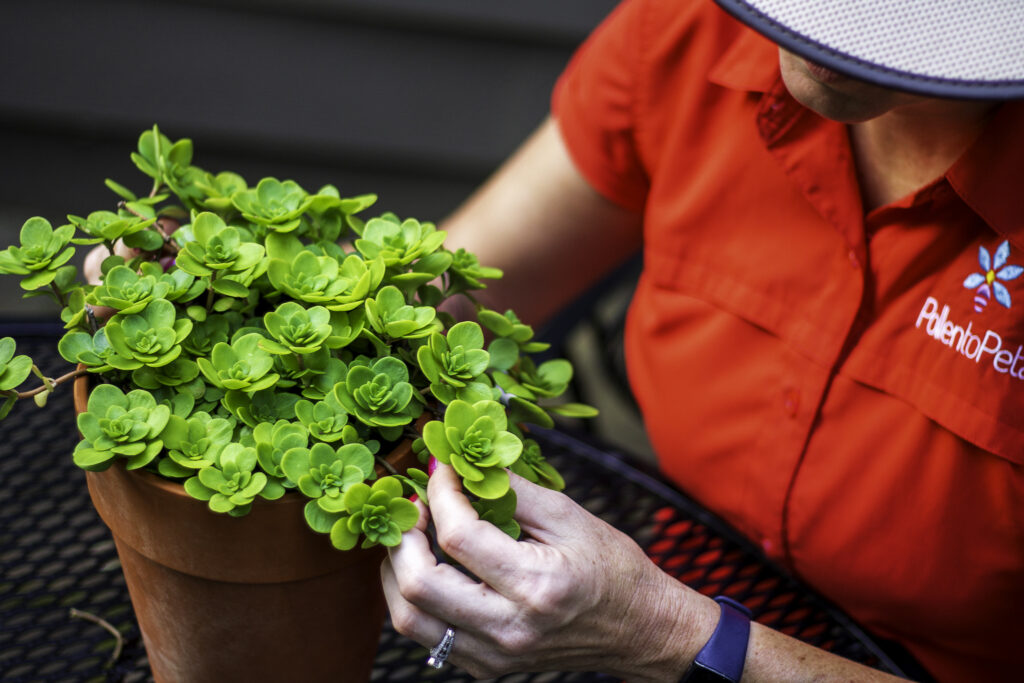
Sedum ternatum is a Missouri-native succulent that brings early spring interest to the garden. Its delicate, star-shaped white flowers bloom in spring and float above lush, low-growing foliage. We love using it as a groundcover to fill in gaps between larger plants. It’s also a great choice for softening hard edges in your landscape.
Where to find them
One of our favorite sources for three-leaved stonecrop is Ozark Soul Native Plants.
Tips for best results
This sedum performs best in spots that receive shade for part of the day. It’s especially well suited for woodland edges, shady borders, and areas with shallow or rocky soil where other plants may struggle.
#2: Missouri Evening Primrose (Oenothera macrocarpa)

Why we love them
Missouri evening primrose makes a bold statement with huge, cheerful, lemon-yellow flowers that can be as large as the palm of your hand. Although each bloom only lasts for one day, the plant produces an abundance of flowers so you get a vibrant, extended show. Even after blooming, the unique seed pods and purplish stems continue to add visual interest to your landscape.

Where to find them
We source Missouri evening primrose from Ozark Soul Native Plants, Watershed Natives, and Missouri Wildflower Nursery.
Tips for best results

This is a classic glade plant that prefers rocky, shallow, well-drained soils. It does not tolerate standing or lingering water. Missouri evening primrose is a great choice for dry microclimates, rock gardens, or spilling gracefully over retaining walls. When purchasing plants, look for local ecotypes, which are plants grown from seed adapted to Missouri’s climate. These will perform far better than non-local varieties.
#3: Purple Coneflower (Echinacea purpurea)

Why we love them
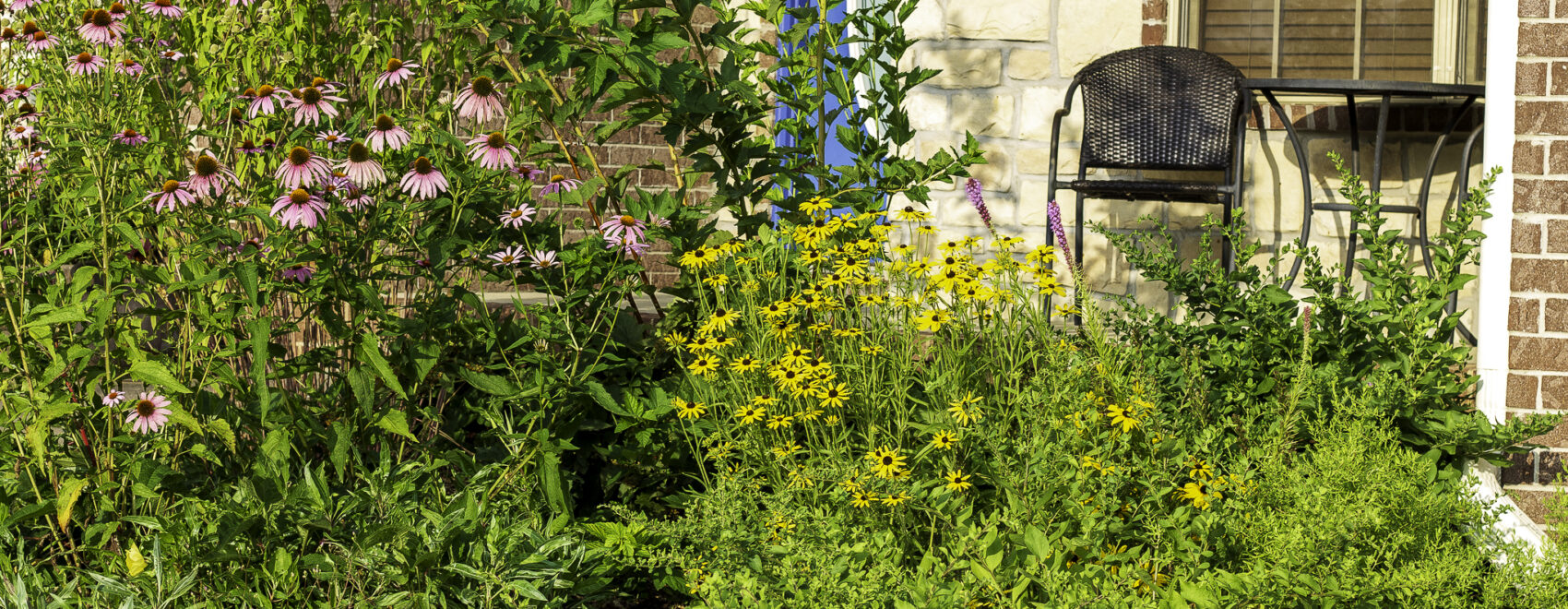
Purple coneflower is the true workhorse in your native garden. It’s easy to grow, produces gorgeous summer blooms, and makes a fantastic cut flower. Pollinators, especially butterflies, flock to its blooms, and leaving seed heads standing through winter provides food for birds as well as beautiful seasonal texture.
Where to find them
We recommend Ozark Soul Native Plants and Missouri Wildflower Nursery for sourcing purple coneflower.
Tips for best results

Plant purple coneflower in full sun for the best form. Too much shade may cause plants to become leggy. This species readily self-seeds, making it a great option for naturalized areas. Be mindful of Japanese beetles, and steer clear of cultivars, which often sacrifice nectar and pollen production. We suggest a 2:1 ratio of straight native plants to cultivars in mixed landscapes.
#4: Missouri Coneflower (Rudbeckia missouriensis)
Why we love them
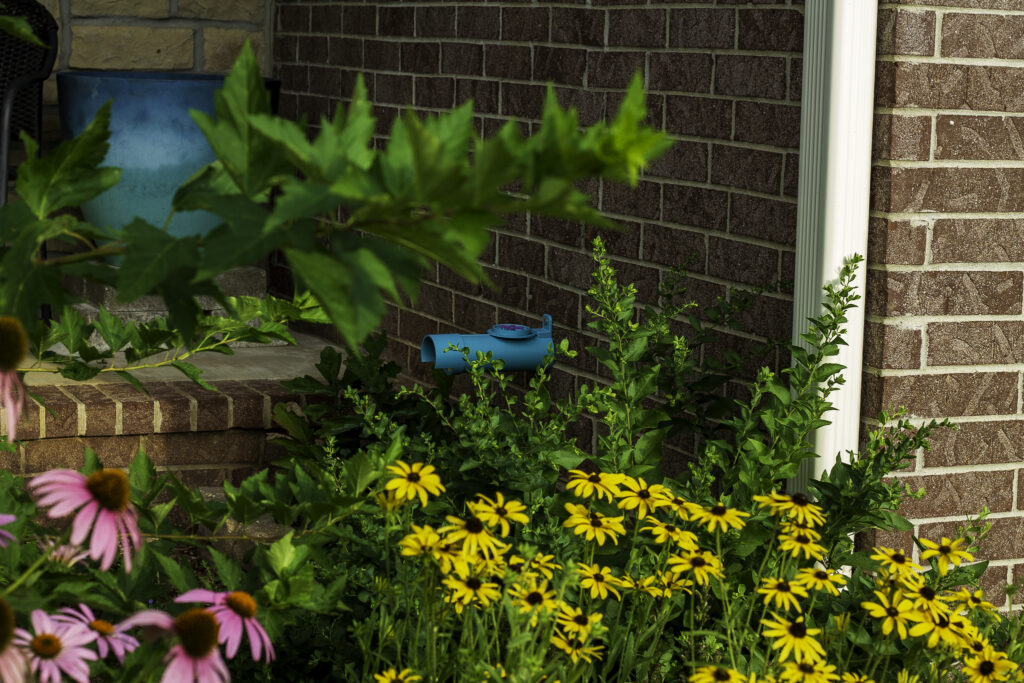
Missouri coneflower offers long-lasting blooms from early summer well into fall. It’s another excellent cut flower and provides winter interest when seed heads are left standing. This tough native is deer resistant, easy to grow, and thrives in challenging conditions.
Where to find them
Our go-to suppliers for Missouri coneflower include Ozark Soul Native Plants and Missouri Wildflower Nursery.
Tips for best results
Missouri coneflower performs best in full sun but will tolerate light shade without losing its structure. It self-seeds readily, and regular cutting of spent blooms can encourage additional flowering and extend the bloom season.
#5: Blazing Stars (Liatris spp.)
Why we love them
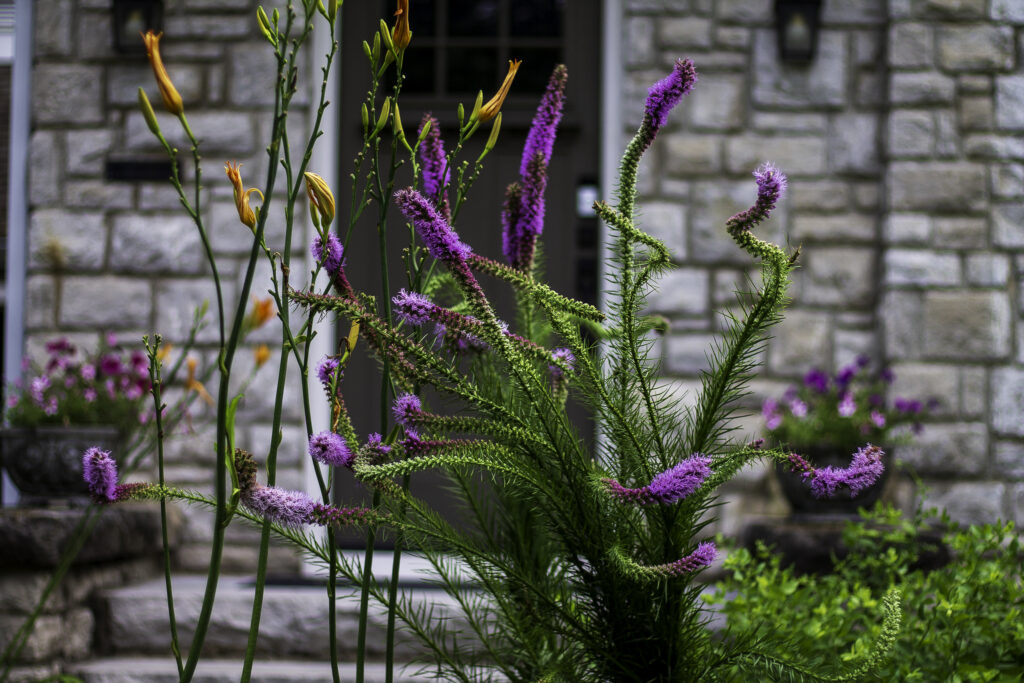
We affectionately call liatris the “Dr. Seuss plant” because of its whimsical form and unique flower spikes. Blazing stars add strong vertical structure to the garden, make excellent fresh and dried cut flowers, and are a magnet for hummingbirds. In winter, the dried stalks provide texture and perching spots for small birds.
Where to find them
We source liatris species from Ozark Soul Native Plants and Missouri Wildflower Nursery.
Tips for best results
Avoid spring haircuts or the Chelsea chop with liatris. Blooms form at the top of each stalk, and if you cut them back, you’ll eliminate flowers entirely. As with many natives, skip cultivars when possible. Straight species provide significantly more ecological value to pollinators.
#6: Beebalms (Monarda spp.)

Why we love them
Beebalms are incredibly easy to grow and are powerhouse plants for pollinators. Their blooms provide nectar and pollen for a wide variety of bees, and their hollow stems offer critical nesting and overwintering habitat for insects when left standing.
Where to find them
We recommend Ozark Soul Native Plants and Missouri Wildflower Nursery for monarda species.
Tips for best results
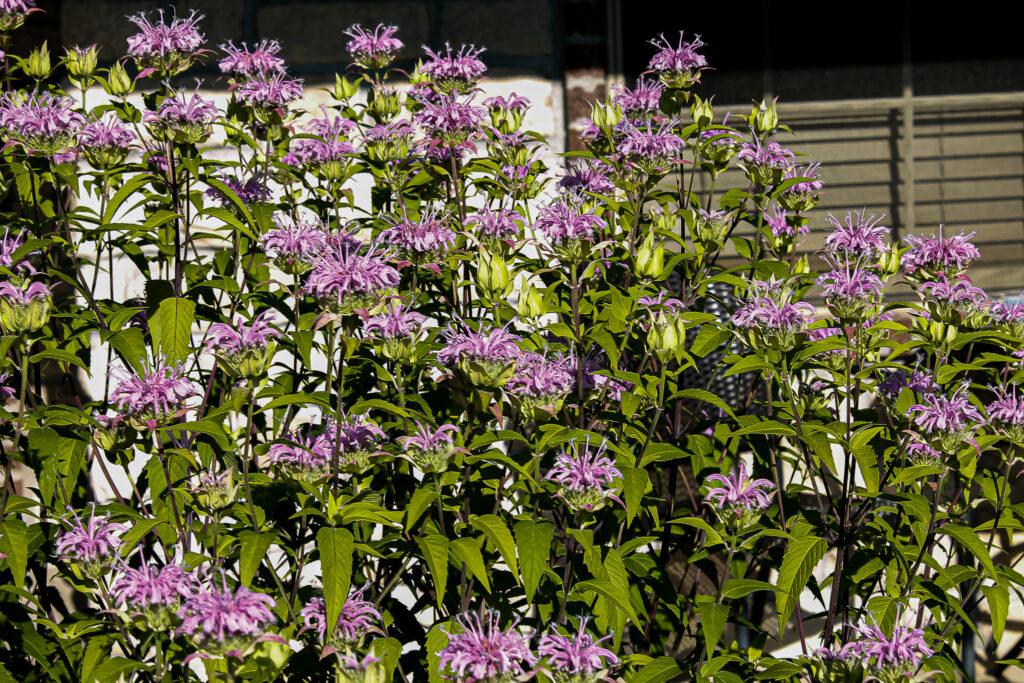
Monardas are members of the mint family and will slowly spread over time, though they’re far less aggressive than non-native mints. Their shallow root systems make them easy to divide, giving you free plants to share or expand your garden. Avoid red-flowering cultivars, which are harder for bees to see. Straight native species are the best choice for supporting pollinators.
Ready to plan your spring landscape?
Spring planting starts with winter planning. Whether you’re looking to add one or two native plants or designing an entire native-focused landscape, Pollen to Petal is here to help. Reach out to us with questions about planning a garden that supports Missouri’s ecosystems while bringing lasting beauty to your outdoor space.

Leave a Reply