Pollen to Petal
Native Landscape Design
We think creatively about your landscape
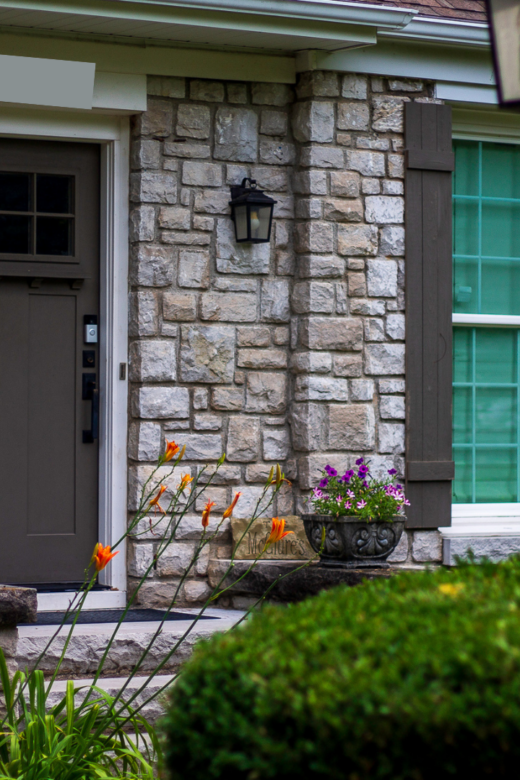
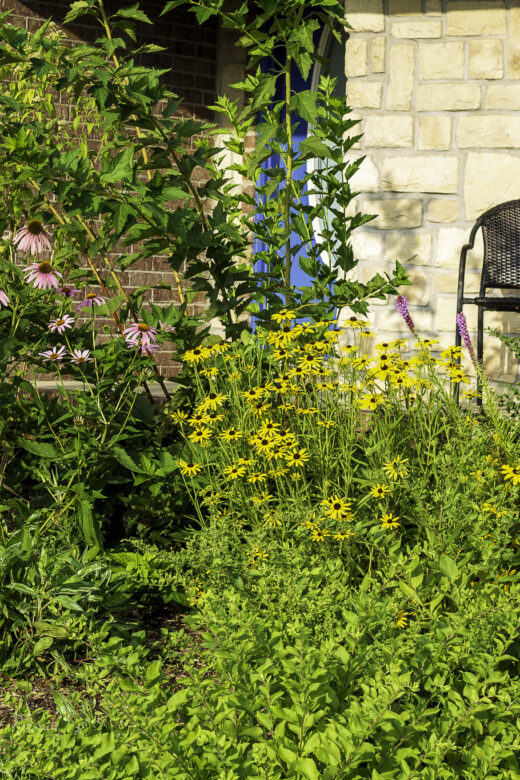
Transform your property into a thriving native ecosystem that supports local pollinators and requires less maintenance. We combine agricultural science, emerging tech, hardscaping trends, and artful imagination to design the ideal plan for your outdoor space.

“Right plant, right place, right time!“
Meet Pollen to Petal
We created Pollen to Petal in 2022 to combat the impacts of climate change on native ecosystems in our small slice of the Ozarks. We love teaching people how to reclaim their land, grow native, and build sustainable habitats for our local pollinators.
Our unique collection of talents allows us to view ecology from a different perspective. We continually evolve and expand our research on native design, pollinator habitats, soil knowledge, hardscaping, and much more!
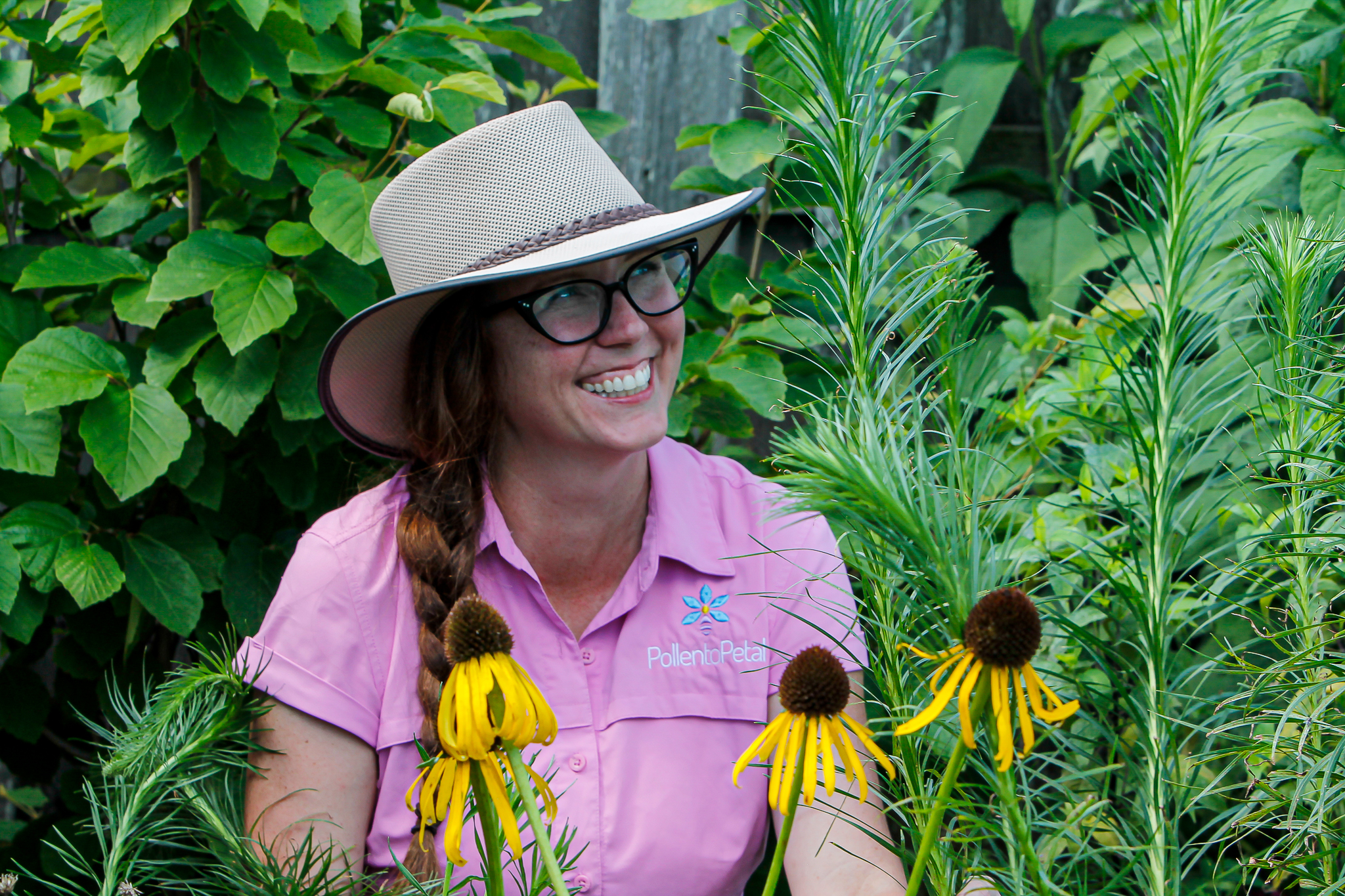
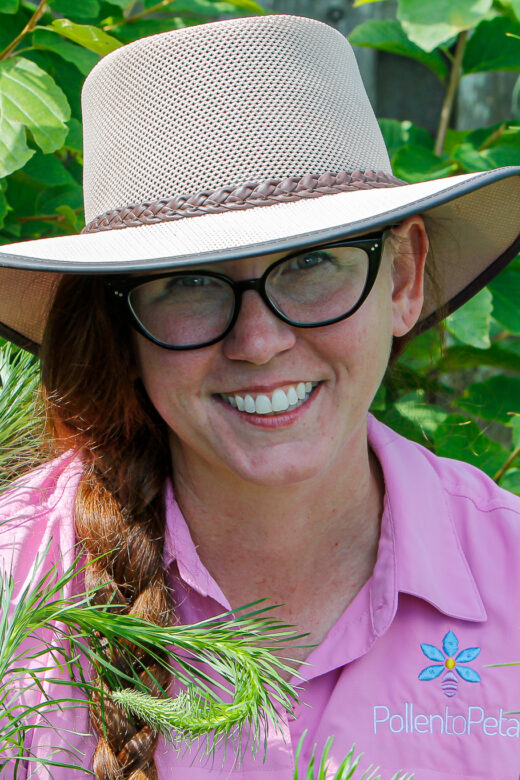
Sa’dia Luallen-Blattert
Owner, Designer, Grow Native Certified Professional
Expert in Ozarks flora, fauna, and keeper of the plants. Resident Design Consultant. Reclaiming your land from the mundane!
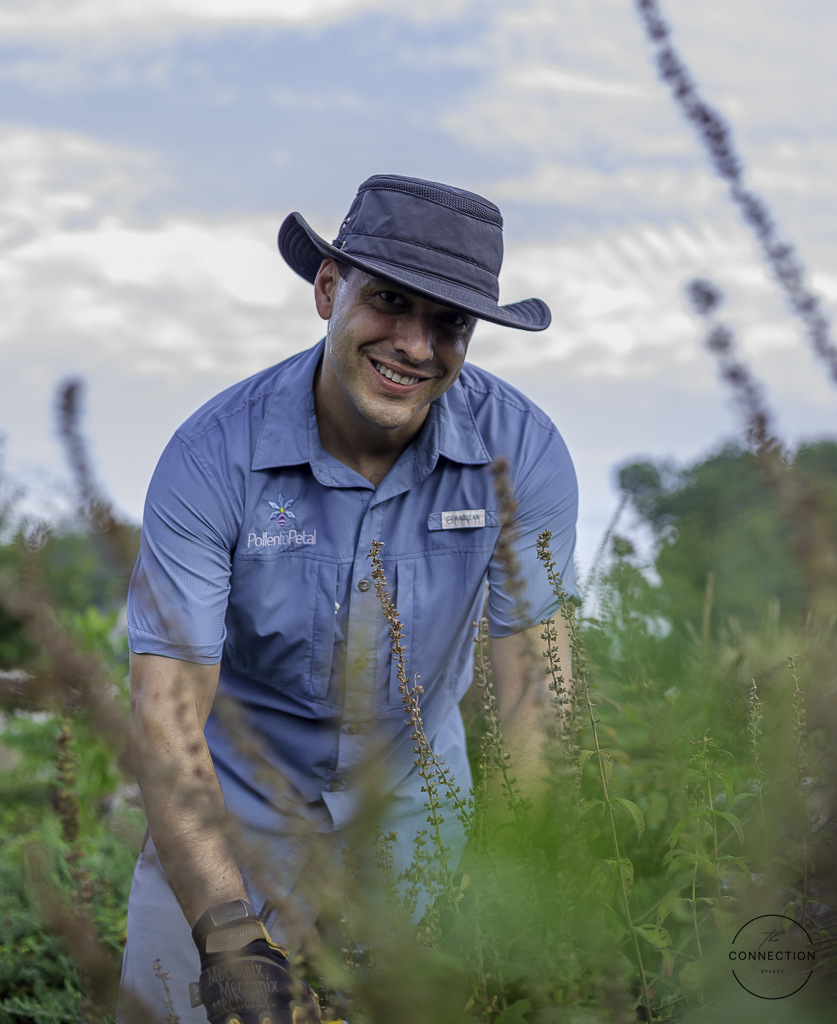
Drew Blattert
Owner, Grower
Learn more about Drew
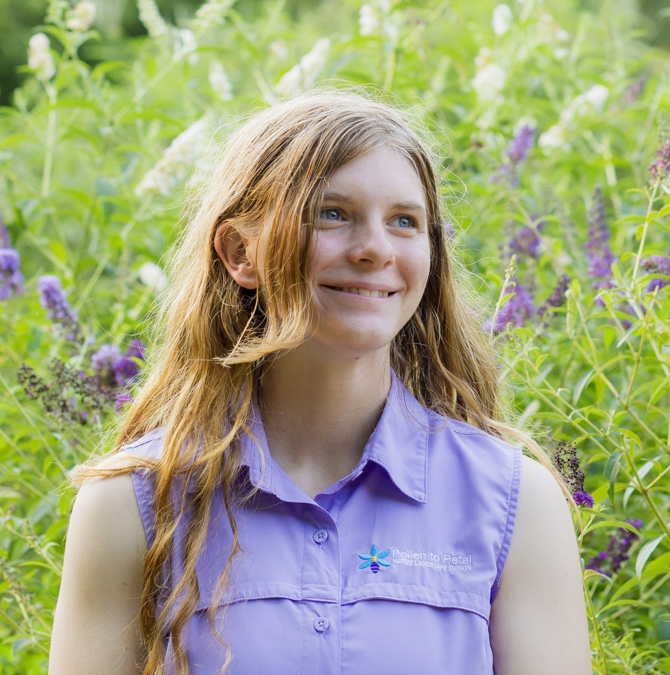
Emma Verburgt
Designer, Tree Specialist
Learn more about Emma
How do I restore my landscape?
Our process developed by building relationships with our clients and their properties, allowing us to understand, analyze, and curate individualized gardens. Our designs focus on attracting and supporting native pollinator populations. Options include master plans for entire properties or partial plans focused on specific zones of interest.
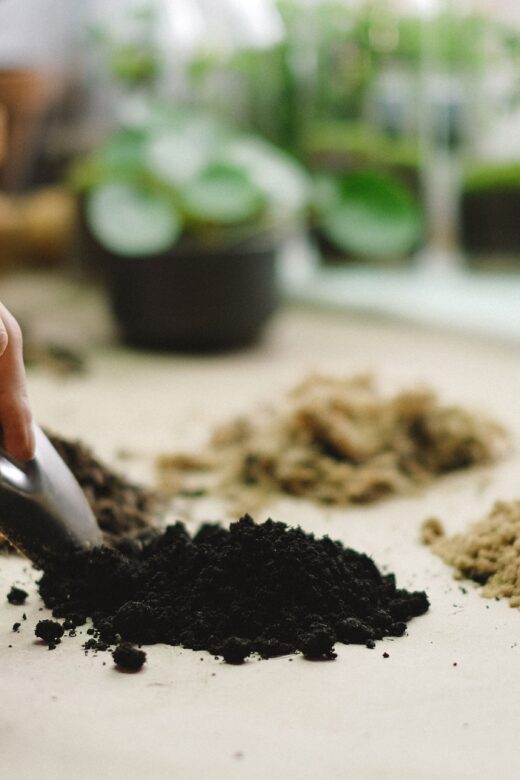
Step 1: Site Assessment & Soil Health ($100)
Start the process by purchasing a site visit. We’ll meet to discuss your ideas, survey the property, and take soil samples. Site visit deliverables include an estimate for custom design services and soil test results, including interpretation.
Step 2: Custom Landscape Design (Starting at $500)
Move to the design phase by purchasing custom design services. Design deliverables include an in-person presentation of hand-drafted scale planting plans, perspective sketches of installation areas, site condition analysis, a digital image reference gallery, and a detailed project estimate. Minimum design fee of $500.
Step 3: Professional Installation & Support
Ready to make it real? Your installation is secured on our calendar once the contract is signed and the invoice is processed. Our installation clients are also eligible for future maintenance to keep your newly planted garden in tip-top shape.
Why native landscaping?
Environmental Sustainability
Native plants are adapted to the local climate, soil, and wildlife, requiring less water, fertilizer, and maintenance than non-native plants. This promotes sustainable water management practices, saves you time and money in the long run, and helps reduce your carbon footprint.
Reduced Maintenance
Native plant materials are more accustomed to local stressors. They have more pest and disease resistance than introduced species. They typically require less pruning and their dense root systems outcompete weeds. Canopies also shade the soil to reduce weed germination.
Increased Biodiversity
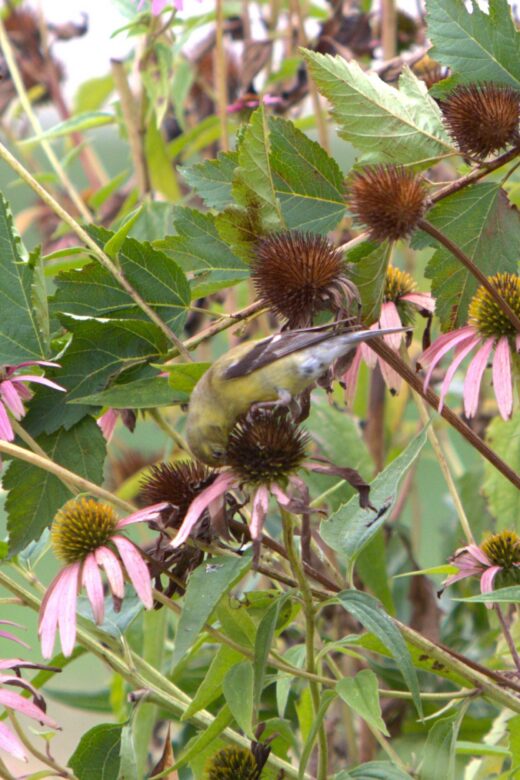
Native plants provide habitat and food sources, attracting a diverse range of native wildlife such as birds, butterflies, and beneficial insects. By creating a habitat for these creatures, you can contribute to your local environment’s overall health and biodiversity. SAVE THE BEES!
Get in touch
We’ll beautify your space, increase pollinator activity, and reduce your time and resource commitments. Give us a shout so we can nerd-out on your native ideas.
Sowing Ideas blog
Get practical advice based on our own experiences with native ecology.