By Sa’dia Luallen-Blattert, Grow Native! Certified Pro
Are you looking to beautify your yard with less time, less maintenance, and a lower cost?
Our four-step wildflower plot seeding plan is a great place to begin.
Why choose native plants?
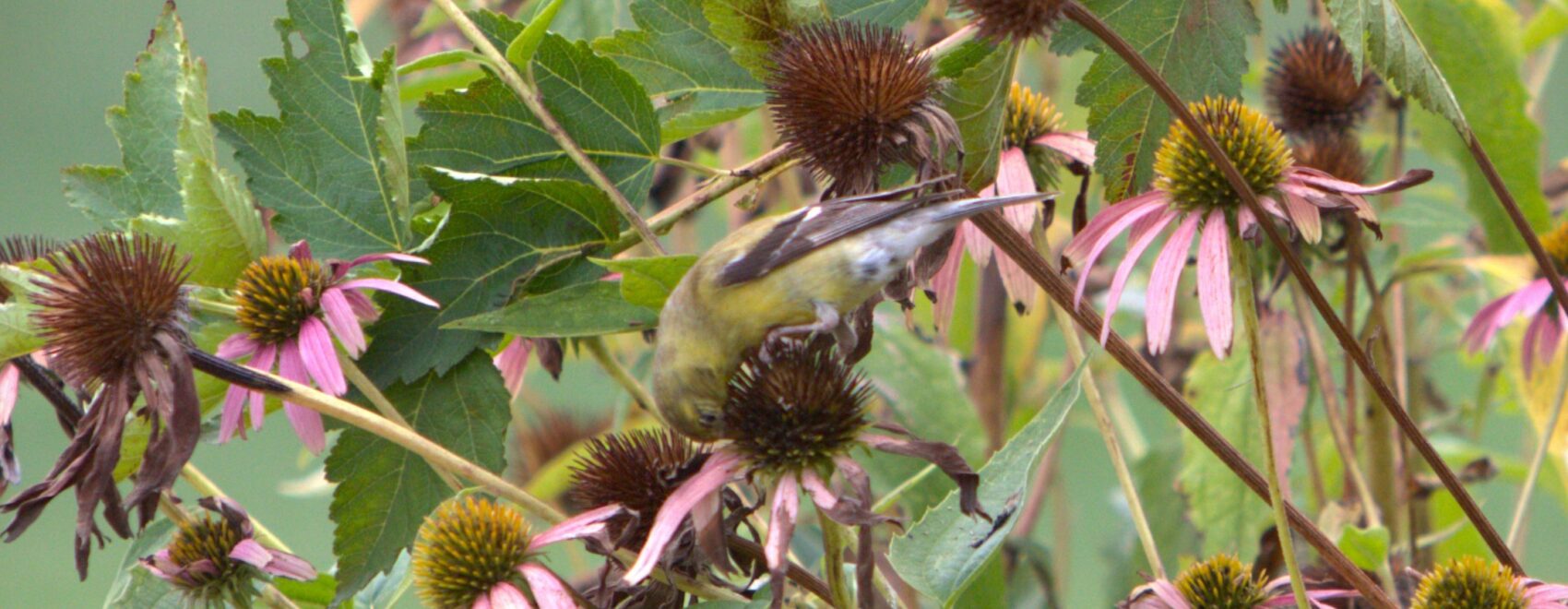
Flowers and grasses that grow naturally in Southwest Missouri are more adapted to local soil and weather patterns. They offer critical nourishment for desirable pollinators such as butterflies, bees, and birds. They’re also more resistant to local pests and diseases than non-native plants.
The result is a gorgeous, more sustainable landscape design that’ll last for years with less watering, less fertilizer, and less maintenance. And should you sell your home in the future, landscaping with native plants can boost curb appeal for enhanced buyer perceptions of value.
If you’ve never grown native plants before, you may be scratching your head wondering how to get started.
Never fear!
At Pollen to Petal, we’ve helped many local homeowners just like you create custom landscape designs featuring native plants that grow naturally right here in the Ozarks region.
Here’s our handy four-step guide if you’re new to the world of landscaping with natives.
Step 1: Site Preparation
Before you can plant that first seed, you must first prepare your seedbed.
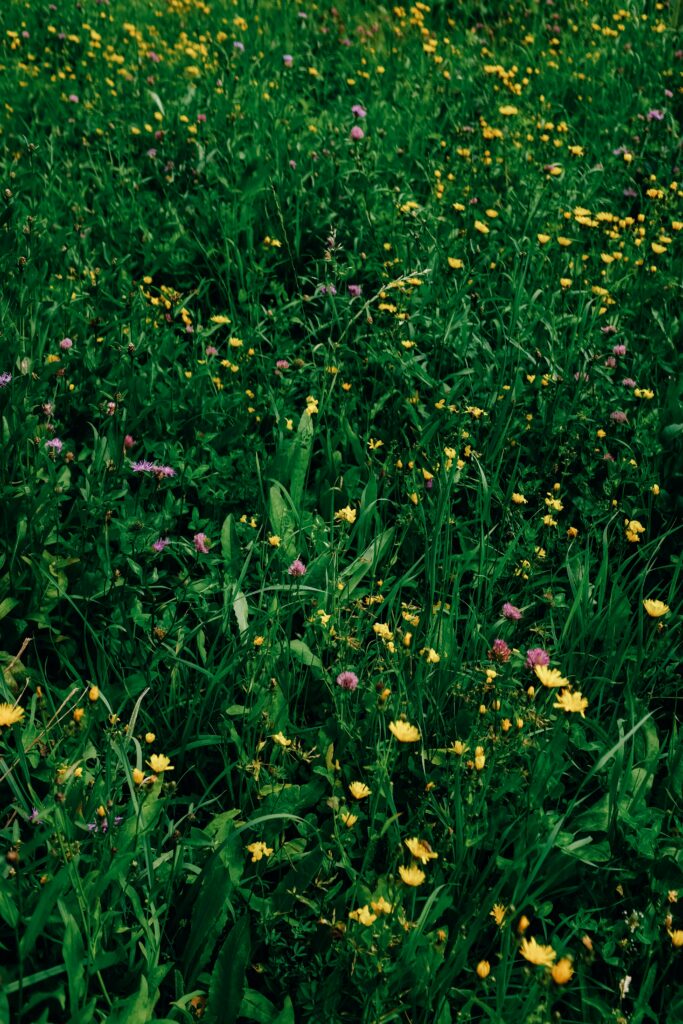
A seedbed simply means a plot of soil that has been prepared for planting seeds. Preparation makes all the difference in the success of your wildflower garden.
We recommend the following steps for site preparation:
- For weed removal, apply a herbicide and let it sit for seven to 30 days, depending on the product directions. Although we usually advocate against herbicide use, we do employ herbicides for specific use cases and site conditions.
- Rake the surface to completely remove the thatch layer and expose the soil.
- Submit a soil test. The results will tell you what additional soil amendments are needed to establish a healthy native garden.
Soil Testing
A basic soil test through the University of Missouri Extension includes pH level, as well as levels of phosphorus, potassium, calcium, magnesium, and organic matter. To collect a soil sample, use a probe, spade, or trowel to obtain about two cups of soil about six inches deep. Remove all debris, place the sample in a labeled bag, and bring it to the Master Gardener Hotline Room at the Springfield Botanical Center on Thursdays between 10 a.m. and 4 p.m.
Should You Choose Till or No-Till?
One question some people have is whether to till the soil.
According to Hamilton Native Outpost in Elk Creek, Missouri, tilling is recommended for smoothing out rough soil, or if you desire to avoid herbicides. For small areas such as residential lawns, a shovel or rake is generally sufficient, but don’t go too deep! Tilling more than three to six inches deep encourages weed seeds to rise to the surface and sprout.
Tilling breaks up the arbuscular mycorrhizal (AM) fungi network, which plays an important role in plant nutrition and healthy root systems. Without these root systems – even those that are dead from herbicide – the soil becomes loose and prone to erosion. Negative impacts include topsoil loss and the pollution of nearby waterways.
No-till (NT) weed removal promotes the survival of helpful AM fungi. In addition, no-till is ideal when erosion is a concern, before planting on rocky soil, and to protect soil moisture.
Step 2: Seed Mixing & Carrier
The plant species you choose will depend on things like the results of your soil test, the types of pollinators you’d like to attract, and, of course, your aesthetic preferences. In addition to your seed mix, you’ll want to choose an appropriate carrier to ensure successful application.
Choose Your Seeds
Pure Air Natives is a great source for seed mixes that are perfectly suited for the Midwest. Here are two of our favorite options for beautifying outdoor spaces, attracting pollinators, and reducing lawn maintenance.
Low-Profile Prairie Mix
If you’re looking for plants to grow in front of your home where a shorter, tidier look is desired, the Low-Profile Prairie Mix is a great choice. This seed blend includes 46% monarch-preferred species and grows to between three and four feet in height.
We recommend this particular mix for residential areas, business entrances, pathways, and public spaces. It offers pollinator-friendly habitat in pleasing colors that won’t overwhelm the rest of your landscape. The shorter grasses provide texture, stability, and cover for small wildlife. It likes full to partial sun and grows well in dry to mesic soils.
Monarch Habitat
For back yards and other areas where sightline constrictions are not an issue, the Monarch Habitat grows to between five and six feet tall. It is also a good choice for field edges, pollinator gardens, and prairie restoration.
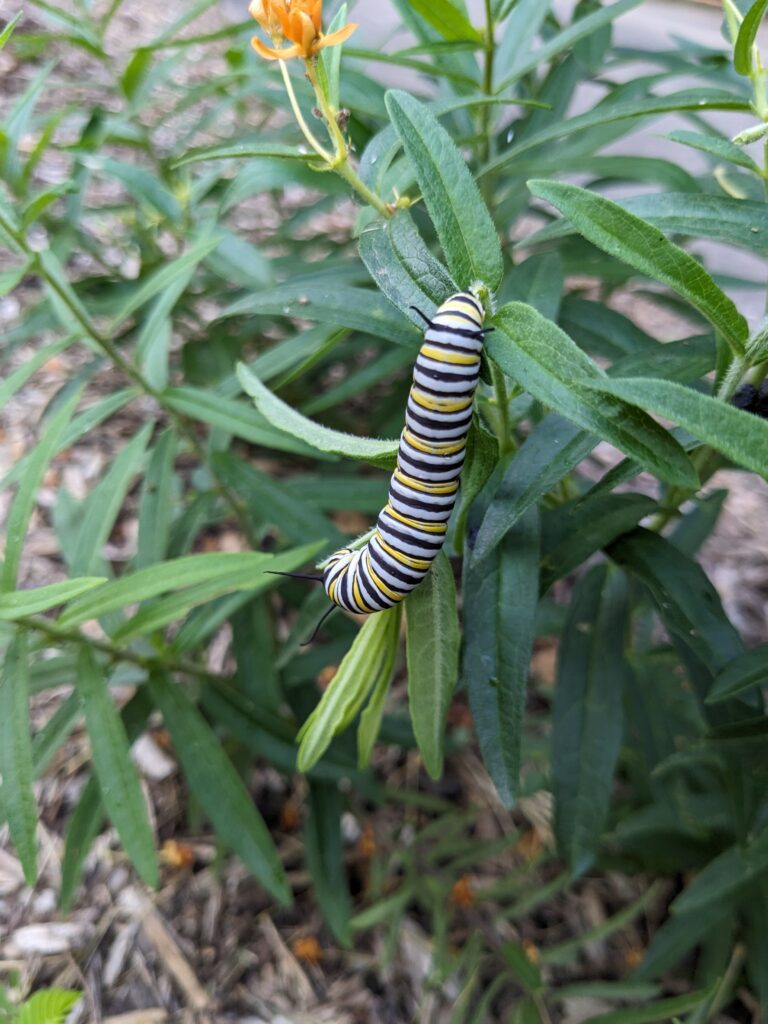
This mix offers 44% monarch-preferred species. It includes multiple milkweed species, which are the only host plants for monarch caterpillars, along with nectar-rich wildflowers for adult butterflies. It also attracts bees, moths, and hummingbirds. Grasses provide structure and nesting cover, while forbs offer continuous blooms.
Plant in dry to wet-mesic soil in an area that receives full or partial sun.
Mix a Carrier
A carrier, or filler, is a substance that increases the bulk weight of your seed mix, making it easier for your equipment to plant at the correct rate.
Why use a carrier?
Most people use a cyclone fertilizer spreader to broadcast native seed mixtures. One common issue is that the seed alone is not heavy enough to flow through the spreader. In addition, seeds of various sizes will settle and not spread evenly across the plot.
A carrier adds more bulk weight to the mix. This allows the seed to flow more easily, which gives you a more even application of different types of seeds.
What type of carrier?
We recommend all-purpose sand for planting native seed. Avoid play sand or masonry sand. Mix at a 1:1 ratio with your seed mix. Portion out equal parts of seed mix and apply one portion at a time to ensure the mix covers the entire plot area.
Step 3: Application
Two primary methods for establishing wildflower seeds are drilling or broadcasting.
Drilling entails using a seed drill to bury seeds in a row at the desired depth. Those planning to install large plots on acreage and who have access to and experience with agricultural machinery are best suited for drilling applications.
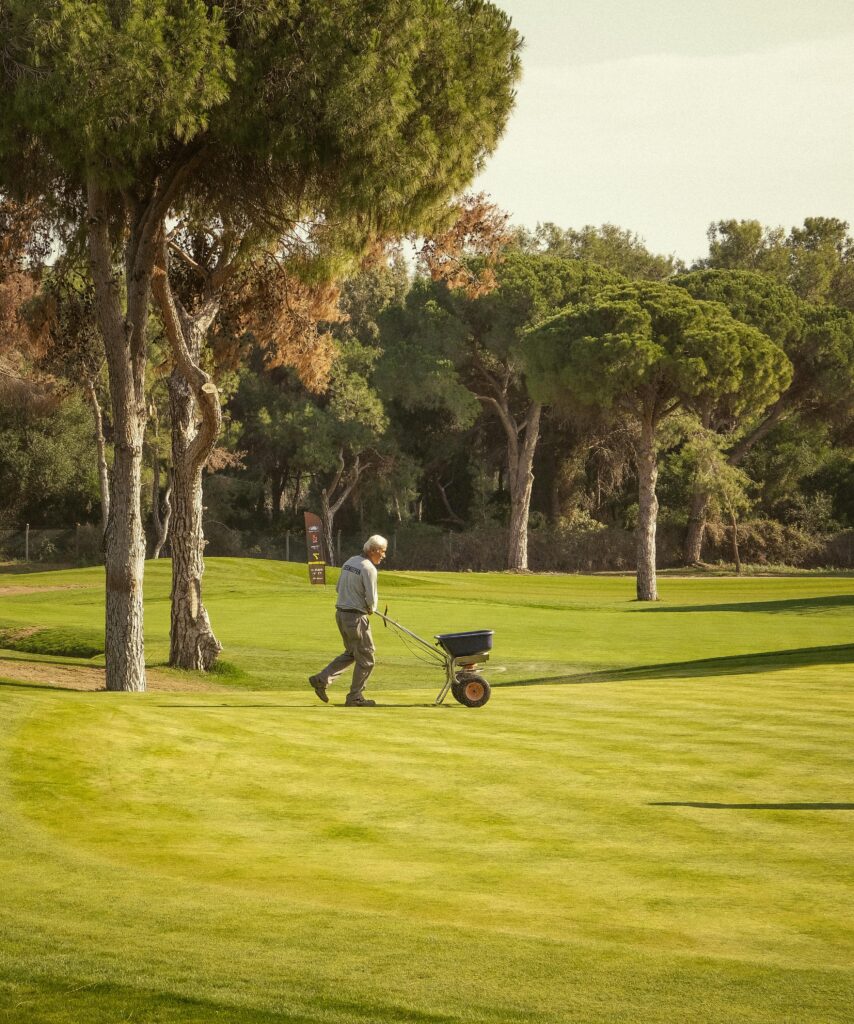
At Pollen to Petal, we recommend using a broadcast spreader, which scatters the seed mixture on top of the soil. Keep in mind that your seeds must be in contact with the soil to germinate successfully. The broadcast method gives you good seed-to-soil contact without burying the seed too deep.
- Apply the seed in a cross-hatch pattern.
- Walk at an even pace.
- Drag the seed using a drag mat or lawn roller to ensure appropriate seed-to-soil contact. Seeds must absorb water in order to germinate, and seeds that sit above the soil will not be able to take in enough water. Seeds should not be buried more than ¼ to ⅛ inch deep.
- DO NOT cover native seed plots with straw like you would with turf grass. Native seeds are very small and need direct sunlight to germinate. Straw covering shades the seed and greatly reduces success.
- De-mark your plots with flags to make the edges easier to locate.
Step 4: Plot Management
Once you’ve started your wildflower plot, it’s time to think about keeping it going strong long-term.
Year One
Mow regularly. Your plot height should be no shorter than four inches and no taller than eight inches. This height range encourages basal foliate and root development, while decreasing weed proliferation.
Year Two
Allow the plot to obtain full height in the second year after planting. Spot weed persistent weedy areas to reduce seeding potential.
During the Winter
Don’t cut those dried stems! Letting them stand throughout the winter provides crucial nesting sites for pollinators.
Include Native Plants in Your Landscape Design
Whether your landscaping goals include less watering and maintenance, attracting more pollinators, or simply beautifying your space, Pollen to Petal is here to help.
We encourage you to schedule a detailed site survey and soil test. The results will help us recommend the best plants for getting the best results based on your local ecology.
Reach out to us online or send us an email to info@pollentopetal.com!