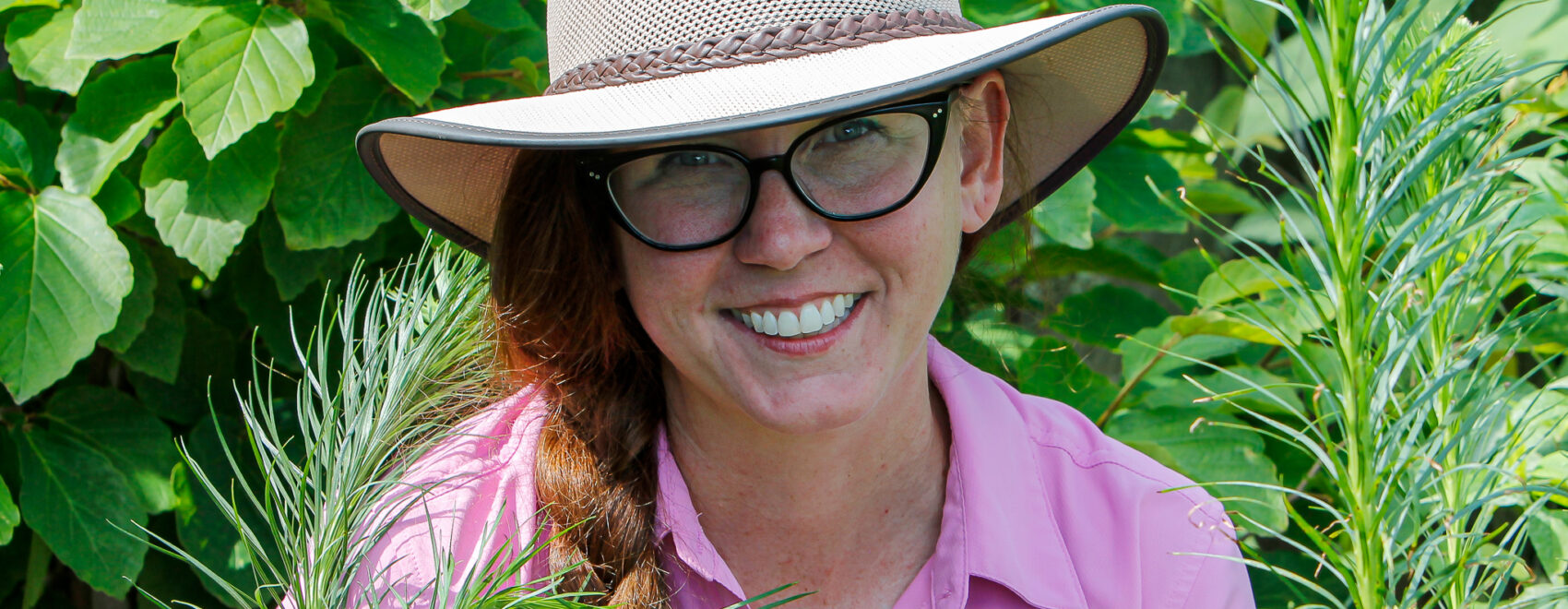
Landscape design expert Sa’dia Luallen-Blattert of Pollen to Petal recently celebrated a significant milestone by passing her Grow Native! Professional Certification.
Grow Native! is a marketing and education program of the Missouri Prairie Foundation that promotes native plants and related services. It encourages the use of native plants in urban, suburban, and rural landscapes throughout the Lower Midwest, including Missouri, Southwestern Illinois, Northern Arkansas, and Eastern Kansas.
Among its other programs, Grow Native! offers a professional certification seal that helps consumers find the most qualified native plant service providers in their communities. Sa’dia is one of only a handful of landscape designers in Southwest Missouri and around 50 statewide who hold this highly sought-after designation.
“To earn certification,” she explains, “professionals must understand the multifaceted nature of working with native plants in various situations.”
Why Should Customers Choose a Grow Native! Certified Professional?
Choosing a Grow Native! Certified Professional (GNCP) gives property owners peace of mind. The program builds technical competencies and requires a baseline knowledge that ensures consumers and employers that they are working with the most qualified landscape professionals.
Grow Native! Certification means you can be confident that the pro you hire is up to date with the freshest scientific data available. This equips professionals to look at all important factors in selecting, planting, and maintaining native plants that are best suited to unique characteristics of your property.
The Journey to Grow Native! Certification
Coming out of the pandemic, Sa’dia had just completed her agricultural degree at Ozarks Technical Community College.
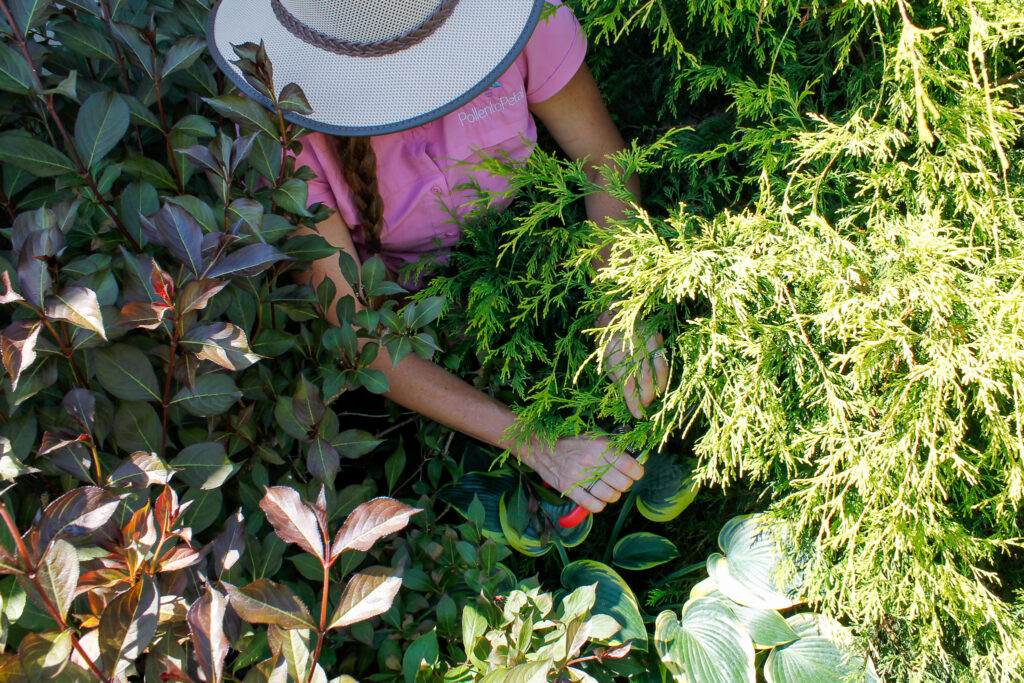
She considered staying in traditional education, but other degrees in the field lacked the depth she was looking for in Missouri native flora. After much consideration, she ended up going the self-education route.
The decision to pursue Grow Native! certification began with a simple conversation.
“One day, while volunteering at the Springfield Botanical Center, I met a woman who worked for the Missouri Prairie Foundation,” Sa’dia recalls.
“She informed me of the certification program. The information she provided me had me hooked. I knew immediately that I wanted to pursue the program.”
How Does the Grow Native! Certification Process Work?
As the only program of its kind in the United States, Grow Native! certification is a rigorous process. “I had been informed that the failure rate was about 50%,” Sa’dia recalls. “Thankfully, I love to learn so I welcomed the challenge!”
Prior Experience Paves the Way for Certification
While studying, Sa’dia quickly realized that leaning on her previous experience in residential construction would come in handy. One section of the program, for example, is dedicated to infrastructure and job site safety.
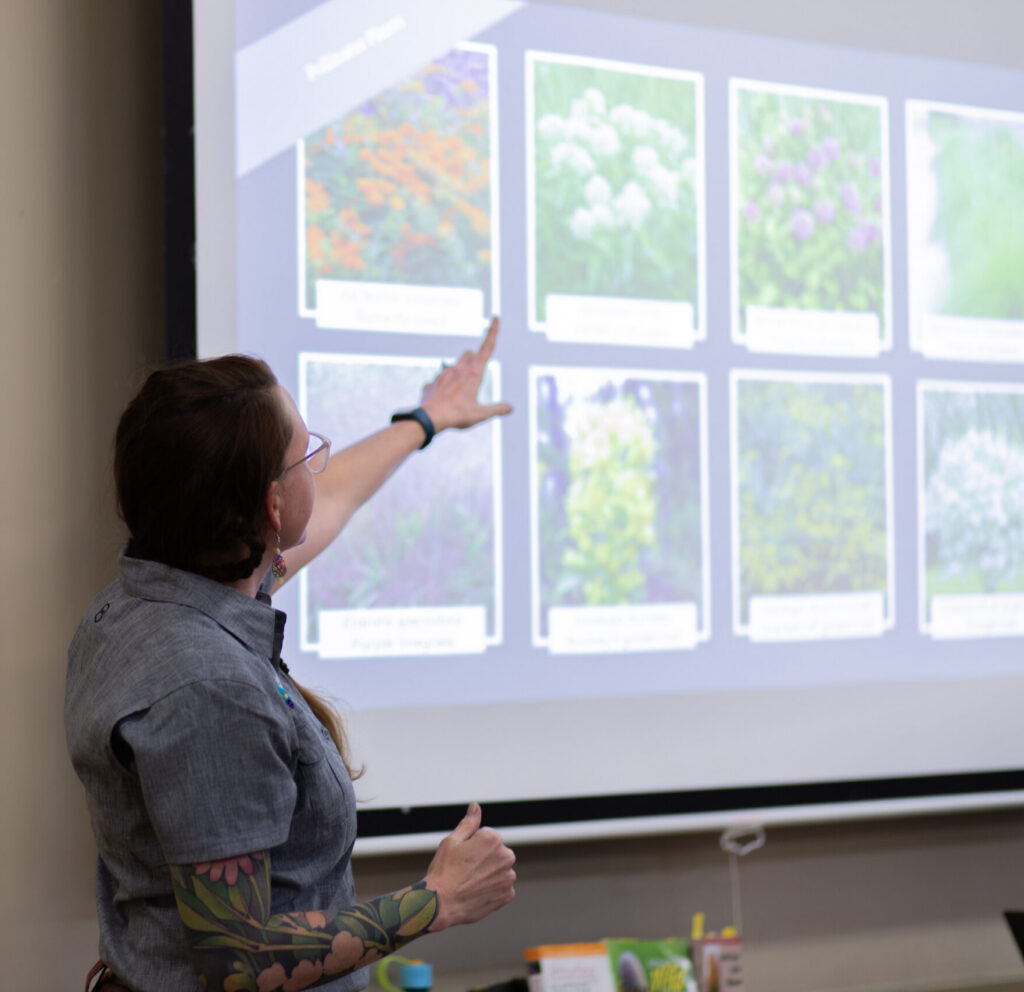
“My construction experience and OSHA 10 certification definitely assisted me in that aspect.”
While studying for her agricultural degree during the pandemic Sa’dia also managed a wildlife sanctuary. Understanding the ecological needs of native fauna includes the plant matter fauna require to thrive. “I was fortunate to have had the opportunity to learn about native plants via caring for native fauna,” she explains.
The Grow Native! Exam: Identifying Native Plants & More
The certification process culminates in a 120-question, multiple choice exam that covers four categories:
- Native plant identification, botanical terminology, growing conditions, and plant communities
- Ecological considerations and benefits
- Planning and design
- Installation and maintenance
Grow Native! Certification is valid for three years, and certified pros must complete 30 continuing education credits in order to renew certified status.
According to Sa’dia, the Grow Native! study guide contains over 390 different plants, and she had to work extra hard to identify them all, especially those not commonly used in landscaping. She credits husband and business partner Drew Blattert with researching and curating a digital flashcard deck. “This was priceless. He greatly contributed to my certification success.”
Sa’dia has learned that the program now offers flash cards as part of their study guide. “The next generation of GNCP should have it a little easier because of it!”
Look for the GNCP Seal for Your Next Landscape Project
The GNCP seal may only be used by a native plant professional with a valid certificate.
As a GNCP, Sa’dia’s process goes beyond the basic landscaping considerations of sun and water conditions. She also considers everything from utility lines, soil health, and jobsite safety, to mature plant size, property owner goals, and resource management.
At Pollen to Petal, we combine up-to-date agricultural science, emerging technology, and creativity to design customized native ecosystems that reduce maintenance and support local pollinators.
If you’re ready to transform your outdoor spaces, drop us an email at info@pollentopetal.com or contact us through our website.