Each spring, one of Springfield’s most beloved attractions quietly comes alive again.
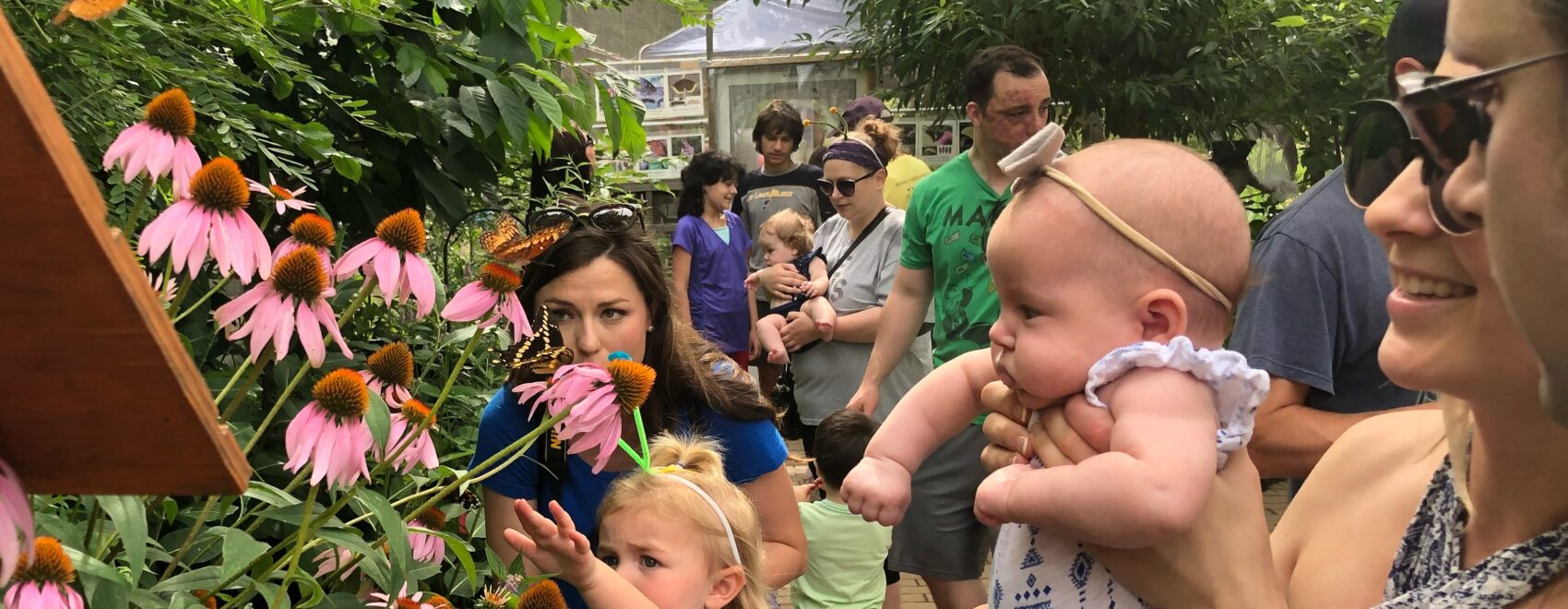
The Roston Native Butterfly House at Nathanael Greene/Close Memorial Park and Springfield Botanical Gardens has officially opened for the season, welcoming visitors through October to experience the fascinating world of Missouri’s native butterflies.
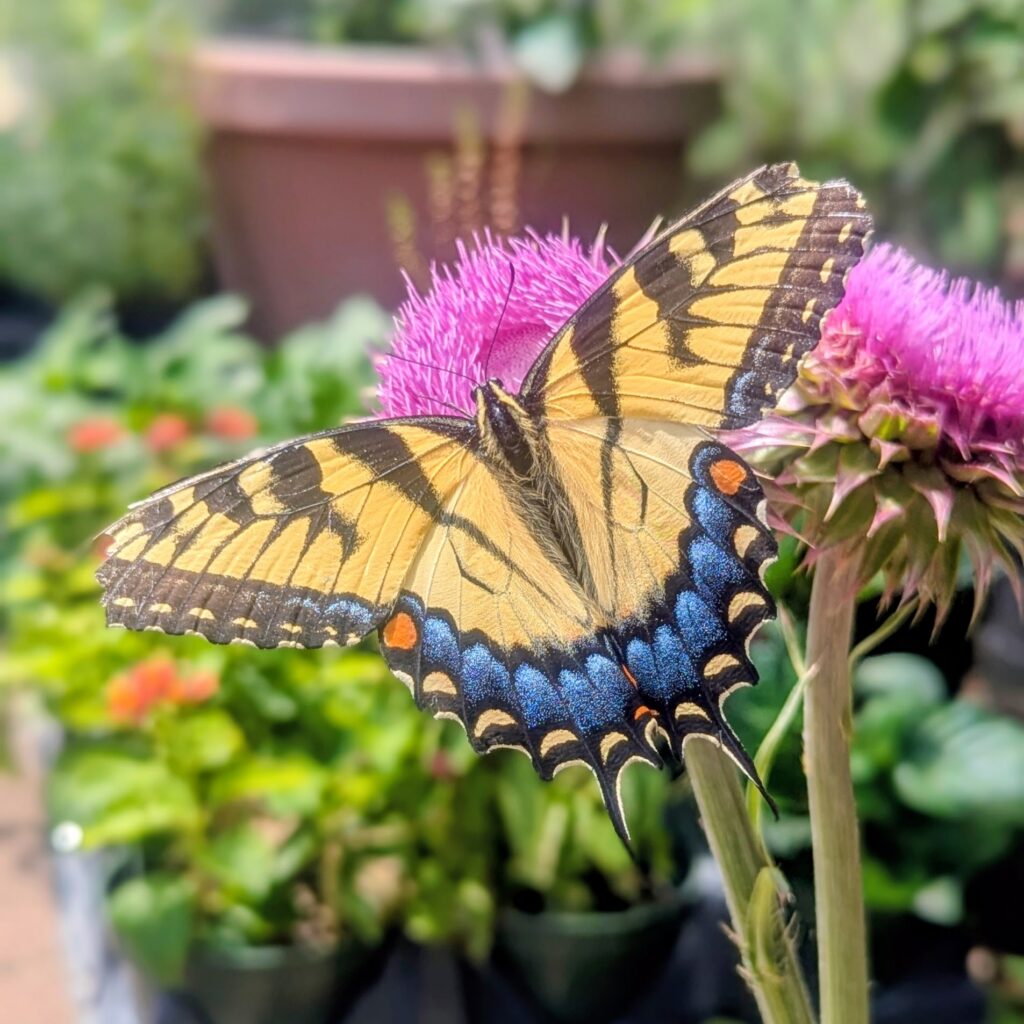
As Missouri’s only native butterfly house, the Roston Butterfly House offers something truly special: the opportunity to observe butterflies throughout their entire life cycle while learning about the native plants and ecosystems that support them.
For our team at Pollen to Petal, the reopening of the butterfly house is especially exciting because it’s surrounded by gardens we are honored to help care for. Whether you’re a longtime gardening enthusiast or simply looking for a family-friendly outdoor experience, there’s never been a better time to visit.
A Place Where Discovery Happens Every Day
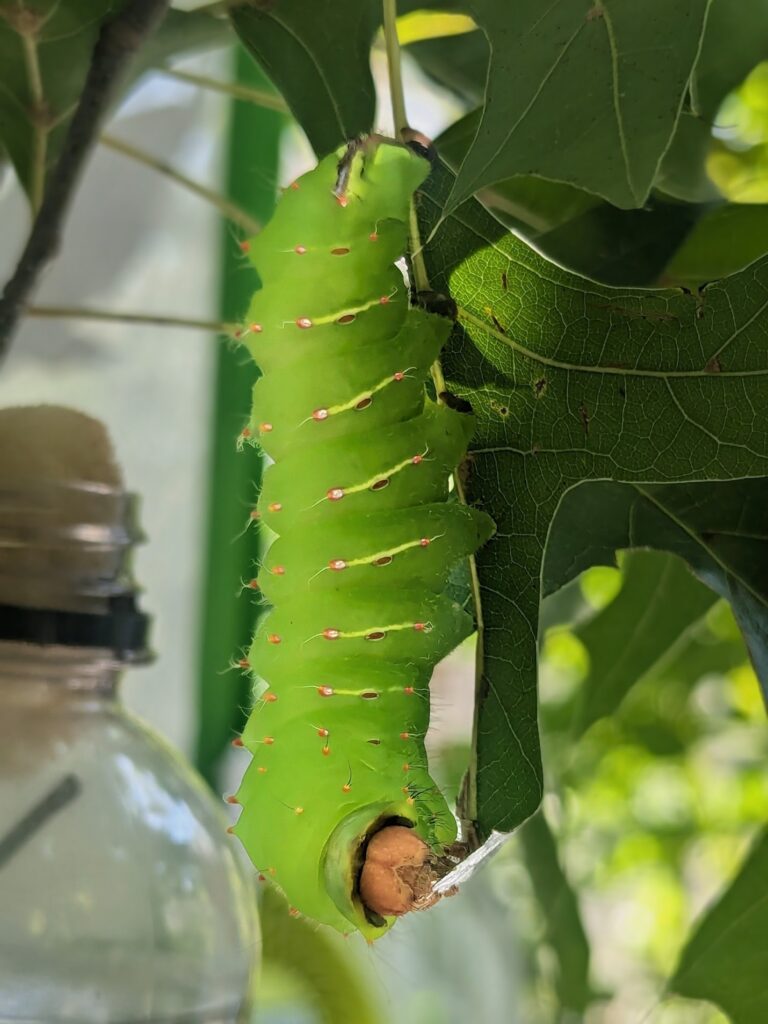
The Roston Butterfly House was founded to inspire appreciation for native butterflies and the habitats they depend upon. Inside the enclosed habitat, visitors can observe butterflies laying eggs, caterpillars feeding on host plants, chrysalises developing, and newly emerged butterflies preparing for flight.
Rudick, Friends of
the Garden
According to curator Dr. Chris Barnhart, Faculty Emeritus in Biology at Missouri State University, one of the most rewarding aspects of volunteering at the butterfly house is watching visitors discover the small wonders that surround them every day.
“My favorite is watching people discover the tiny lives that are all around us,” Barnhart says. “There is so much we don’t see or appreciate simply because we don’t look closely.”

of the Garden
Barnhart and his wife, Deb, spend much of the year raising butterflies and moths for display. In a typical season, they raise more than 2,000 butterflies representing over 20 native species. Their efforts are supported by interns, volunteer docents, and community partners who help create an engaging experience for thousands of visitors every year.
Among the species visitors may encounter are swallowtails, fritillaries, and even spectacular native silk moths such as Luna and Cecropia moths.
The Volunteers and Docents Behind the Experience
While the butterflies may be the stars of the show, an incredible team of volunteers makes the experience possible.
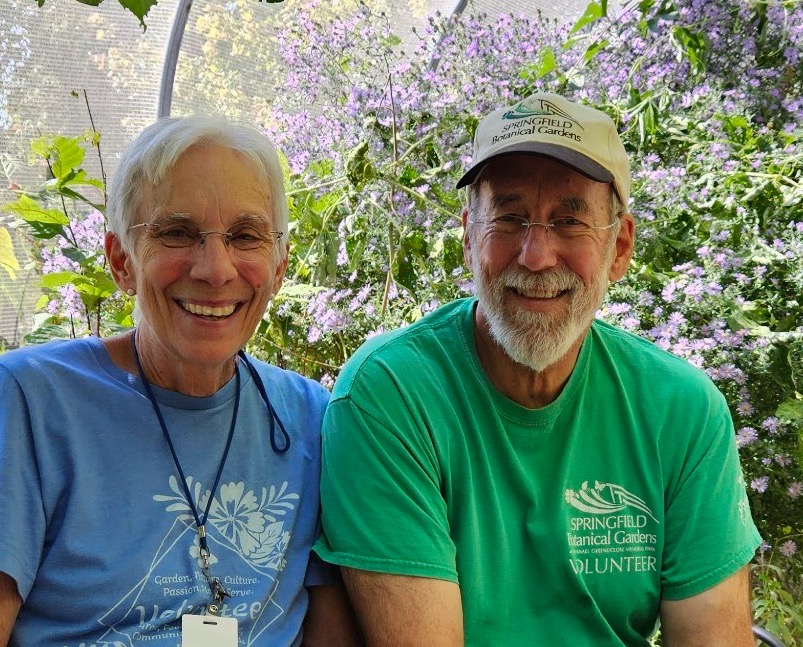
Volunteer docents help care for the plants and butterflies while greeting guests, answering questions, and helping visitors spot insects throughout the habitat. Educational tours and programs are also offered for school groups and community organizations interested in learning more about pollinators and native ecosystems.
The butterfly house welcomed more than 44,000 visitors during the 2025 season and benefited from more than 4,200 volunteer hours. That level of community support is a testament to how much people value opportunities to connect with nature.
Whether you’re visiting with children, bringing a school group, or simply exploring the gardens on your own, the volunteers and docents help make every visit educational and memorable.
Native Plants Make the Butterfly House Possible
One of the most important lessons visitors learn at the butterfly house is that butterflies need more than flowers.
Native butterflies depend on specific native plants to complete their life cycles. Without host plants, caterpillars cannot survive. Without nectar plants, adult butterflies struggle to find food.
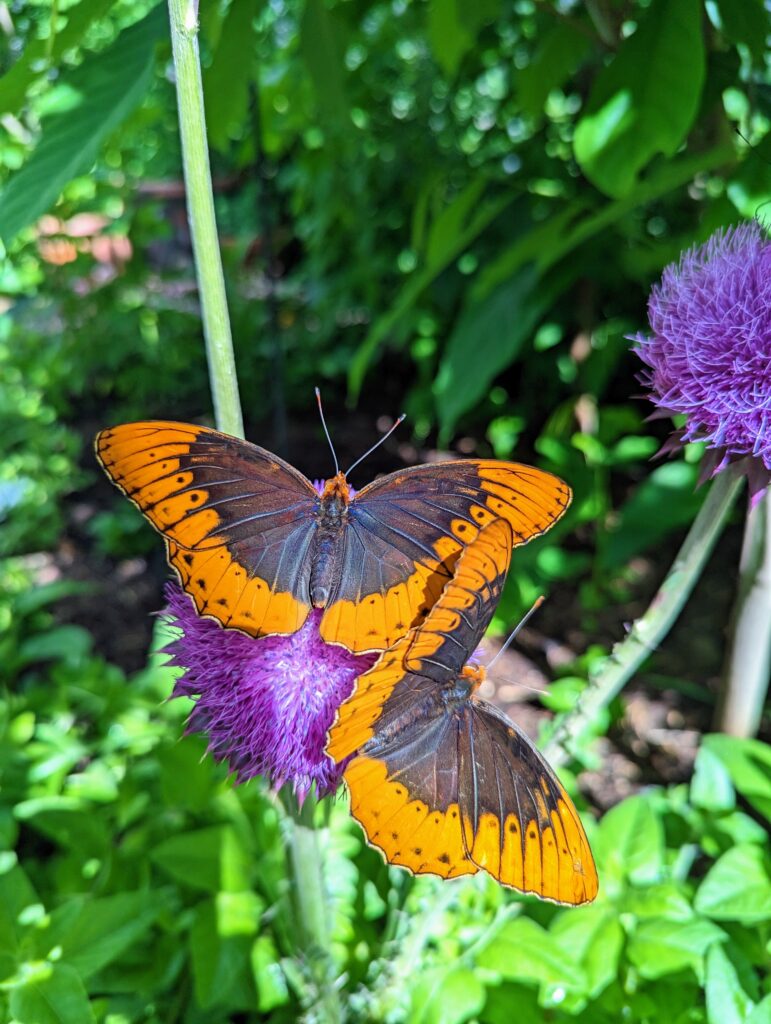
That’s why native landscaping plays such an important role in butterfly conservation.
As Dr. Barnhart explains, “Gardening and landscaping with native plants is one of the most important things people can do to support the living world.”
The butterfly house serves as a living example of this principle, demonstrating how native plants support not only butterflies but also birds, pollinators, and countless other species.
Curating the Windrider and Wildflower Gardens
Just outside the butterfly house are two gardens curated by Pollen to Petal: the Windrider Garden and the Wildflower Garden. These spaces have become an important extension of the butterfly house ecosystem while showcasing the beauty and ecological value of native Missouri plants.
Windrider Garden
The Windrider Garden is a compact native garden featuring unique artistic elements. Visitors this year will notice an especially colorful addition: Local artist Janelle Patterson and Get Hooked volunteers dressed the garden’s familiar butterfly-shaped topiary in wonderful yarn colors and textures.
The installation debuted during Garden Day 2026 and adds a whimsical touch to one of the most photographed spots near the butterfly house.
Wildflower Garden
The Wildflower Garden offers a very different experience.
Featuring winding woodland paths and more than 2,000 square feet of native plantings, the garden has undergone significant restoration in recent years. Pollen to Petal has worked alongside volunteers, Friends of the Garden, Master Gardeners, and local community members to increase biodiversity and improve accessibility throughout the space.
Visitors can explore a variety of native species, including:
- Pawpaw, the host plant for Zebra Swallowtail caterpillars
- Golden Alexanders, which support Black Swallowtail caterpillars
- Copper Iris, a valuable resource for several native moth species
- Joe Pye Weed, an important nectar source for migrating Monarch butterflies
- Native violets, which support Great Spangled Fritillary caterpillars
- Jacob’s Ladder and Black Cherry trees, which provide habitat for numerous native insects
These gardens also provide plant material that butterfly house staff and docents use to support caterpillar rearing and butterfly care throughout the season.
Why We Love Supporting the Butterfly House
At Pollen to Petal, community service has always been central to our mission.
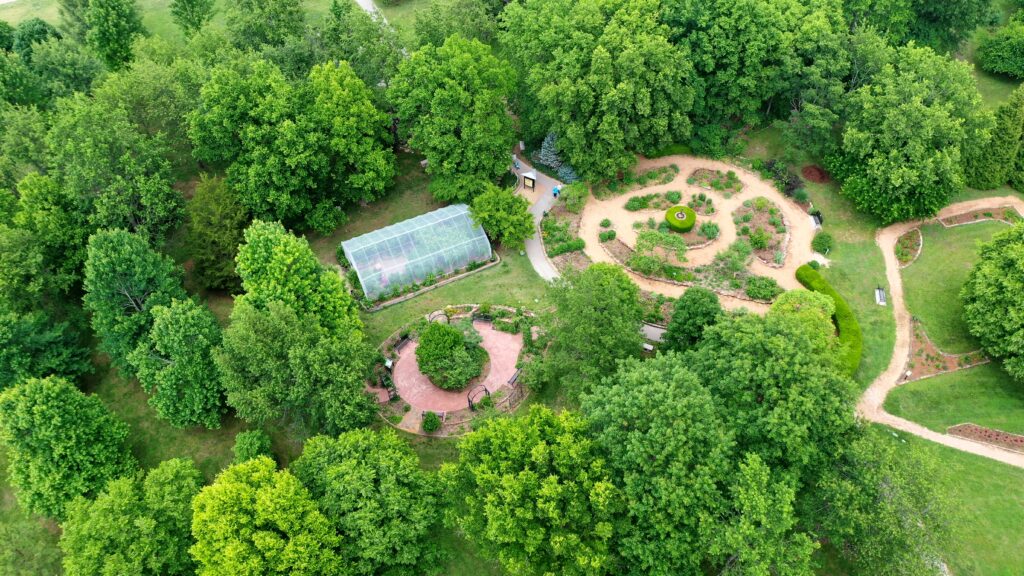
When we learned that the Windrider Garden had been without a curator, we saw an opportunity to use our expertise to support a place that aligns perfectly with our values. Our efforts eventually expanded into stewardship of both the Windrider and Wildflower Gardens.
Today, these gardens continue to thrive thanks to the combined efforts of volunteers, Springfield Botanical Gardens staff, Friends of the Garden, and countless supporters who believe in the importance of native plants and pollinator conservation.
One of our favorite things about working near the butterfly house is hearing the conversations taking place inside. Whether led by Dr. Barnhart, his wife Deb, interns, or volunteer docents, those discussions are filled with curiosity, wonder, and a genuine passion for nature.
Want to Visit or Volunteer?
The Roston Butterfly House is open seasonally from May through October and admission is free.
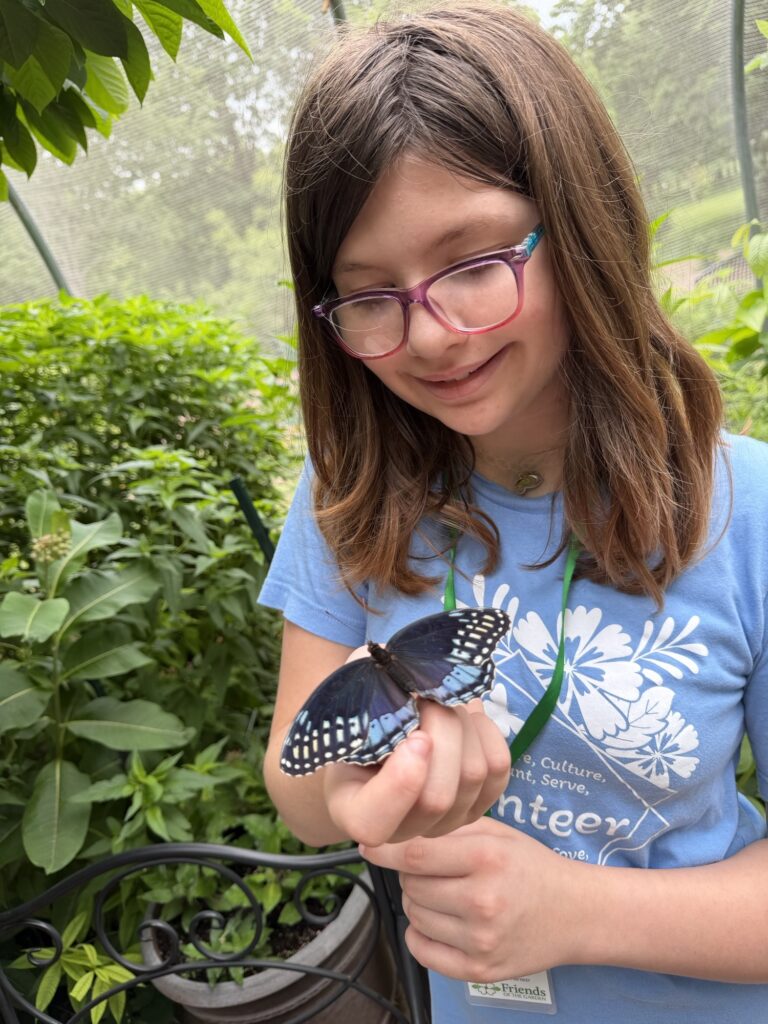
Barnhart
Visitors can observe butterflies up close as they move through each stage of their life cycle, from egg to caterpillar, from chrysalis to butterfly. Along the way, they can learn about host plants, pollinator conservation, and the simple actions that help support native wildlife.
Whether you’re visiting for the first time or making an annual tradition of it, the Roston Butterfly House offers a unique opportunity to connect with nature right here in Springfield.
And if you’d like to get some hands-on experience in helping local pollinators, reach out to Gage Rudick of Friends of the Garden at gage.rudick@springfieldmo.gov.
Bring Butterflies Home to Your Own Landscape
Inspired by what you’ve seen at the butterfly house?

Friends of the Garden
Creating butterfly habitat at home starts with planting the right native species. Thoughtful landscape design can provide food, shelter, and breeding habitat for butterflies while creating a beautiful, low-maintenance outdoor space.
At Pollen to Petal, we specialize in custom landscape designs that support butterflies, bees, birds, and other pollinators using plants adapted to Southwest Missouri’s climate and ecosystems.
If you’re ready to transform your landscape into a pollinator-friendly habitat, we’d love to help.
Contact Pollen to Petal today to schedule a consultation and discover how native plants can bring more beauty, biodiversity, and butterflies to your yard.