By Drew Blattert
When homeowners invest in a beautiful native landscape, they expect their plants to thrive for years to come. But one common household feature can quietly undermine even the healthiest garden:
A water softener.
At Pollen to Petal, we encountered this challenge while designing a native landscape for a homeowner in the rural Nixa, Missouri area. Thanks to a creative solution from licensed master plumber Eric Rasmusson, owner of Precise Plumbing in Springfield, the homeowner can now enjoy softened water inside their home while providing untreated well water to their native gardens outside.
It’s a reminder that successful native gardening isn’t just about choosing the right species. It also requires giving them the right water.
Protecting Native Landscapes with a Simple Plumbing Solution
As we began the design process, we discovered a challenge that could have affected the long-term health of every plant in the customer’s garden.
The property relied on a private well equipped with a whole-house water softener. While softened water is excellent for household plumbing and appliances, it isn’t ideal for watering native plants.
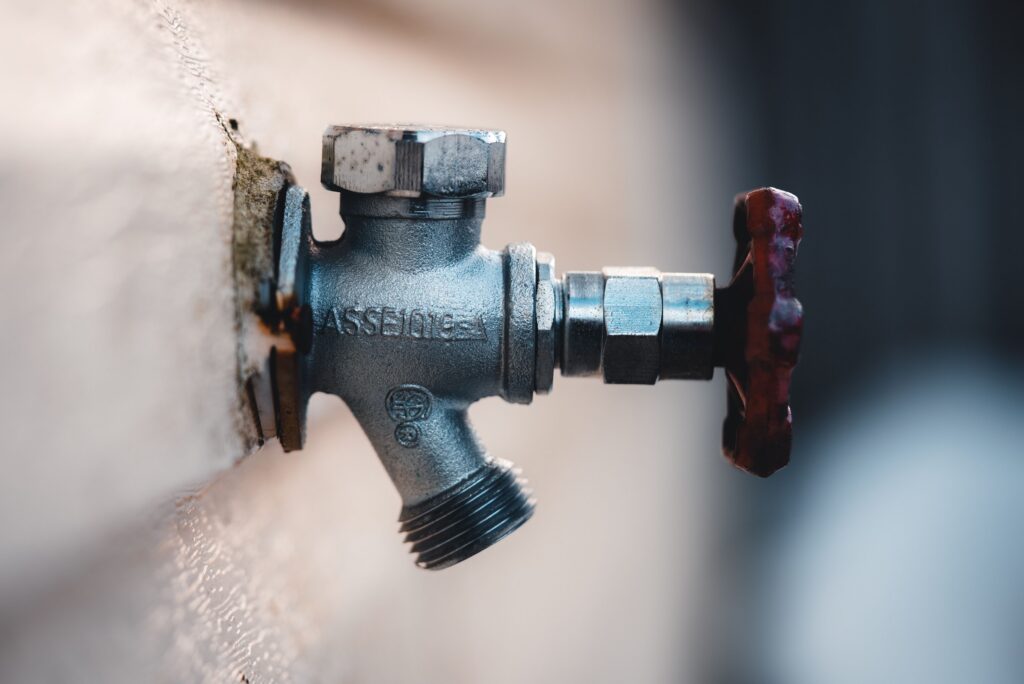
Landscape designer and Grow Native! Certified Professional Sa’dia Luallen-Blattert explains that the property’s only untreated water source was a hydrant located well behind the home.
“The well hydrant was located behind the house, far from the foundation beds we were installing. Dragging a hose around both sides of the house just wasn’t going to be a sustainable solution.”
Instead of asking the homeowners to live with an inconvenient watering routine, Pollen to Petal partnered with Eric from Precise Plumbing. Before the landscape installation began, Eric installed a plumbing bypass that routed untreated well water directly to the exterior hose bibs while allowing the home’s interior plumbing to continue receiving softened water.
The result was the best of both worlds: household appliances and plumbing remain protected by softened water, while the native landscape receives the mineral-rich untreated well water it needs to flourish.
Just a couple of months after installation, the results speak for themselves.
“The gardens are healthy and happy,” Sa’dia says.
Why Softened Water Is Harmful to Native Plants
The short answer:
Sodium.

Most residential water softeners remove calcium and magnesium from water by replacing them with sodium. While this makes water gentler on plumbing fixtures and appliances, the added sodium can damage soil and plant roots.
Sodium is a desiccant, which means it draws moisture away from root systems. As more and more sodium accumulates in the soil, plants have a harder time absorbing the moisture they need to thrive – even with regular irrigation.
“Essentially, gardens cared for with soft water will die of thirst,” Sa’dia explains.
This problem can be especially frustrating because homeowners often believe they’re watering enough. In reality, the soil may be moist while the plants themselves cannot absorb the water they need.
Warning Signs of Soft Water Damage to Plants
Salt damage usually develops gradually, making it easy to mistake for drought stress or nutrient deficiencies. According to Sa’dia, homeowners should watch for several warning signs:
- A chalky white crust forming on the soil surface or around plant containers
- Leaf tips and edges turning yellow, brown, or crispy
- Plants wilting even when the soil feels moist
- Slow or stunted growth
- Little or no healthy new growth
If multiple plants begin showing these symptoms, especially those watered from exterior hose bibs connected to a water softener, it may be time to investigate your irrigation water.
Can Plants Recover from Softened Water Damage?
The good news is that many plants can recover if the problem is identified early.
“Plants that are presenting with sodium toxicity and soils showing salt residue should be flushed immediately,” Sa’dia says.
Container Plants
Container plants are generally the easiest to save.
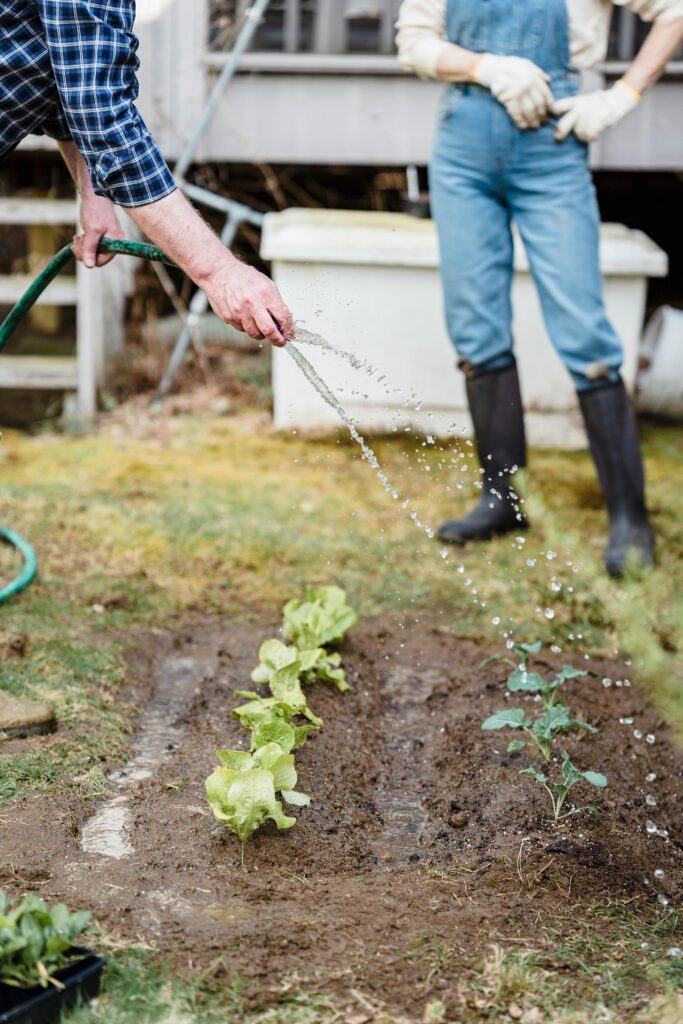
Sa’dia recommends slowly flushing containers with untreated water such as rainwater, well water, distilled water or filtered water. As the clean water moves through the potting soil, it carries excess salts away from the root zone.
“A good rule of thumb is to flush twice the amount of hard water as the size of the pot,” she says. “A five-gallon container will require approximately 10 gallons of hard water for a successful flush cycle.”
In-Ground Gardens and Raised Beds
Garden beds require significantly more water because the accumulated salts extend throughout the soil profile. In some cases, soil amendments such as gypsum may help release sodium from the soil so it can eventually be washed away through irrigation and rainfall.
However, restoring damaged soils is often far more difficult, and much more expensive, than preventing salt buildup in the first place.
How to Protect Native Plants from Softened Water
Fortunately, homeowners have several options for keeping sodium away from their landscapes.
Install a Plumbing Bypass
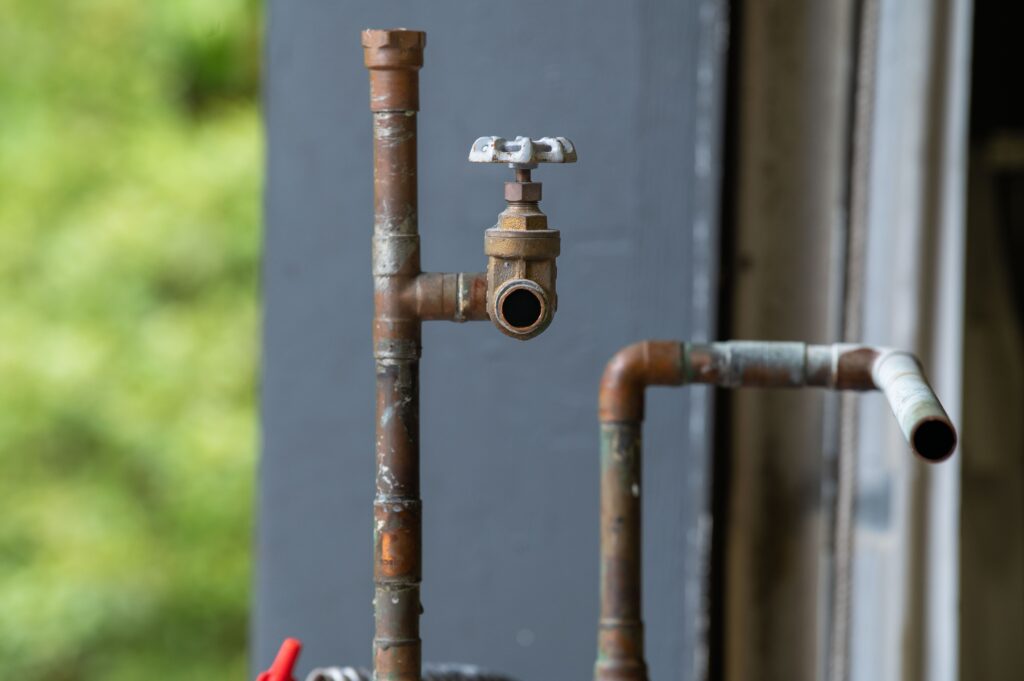
One of the most effective long-term solutions is installing a bypass that supplies untreated water to outdoor hose bibs while keeping softened water inside the home. That’s exactly what Pollen to Petal and Precise Plumbing accomplished for our Nixa client, creating a permanent solution that requires no additional effort from the homeowner.
Collect Rainwater
Rainwater naturally contains no added sodium, making it one of the healthiest water sources for native plants. Rain barrels provide an environmentally friendly way to irrigate gardens during dry periods while reducing reliance on treated household water.
Water Directly from a Well
If your property has a private well, consider whether untreated well water can be used for landscape irrigation before it passes through the home’s water softener. This may require longer hoses or, as in our client’s case, a professionally installed plumbing modification.
Healthy Native Landscapes Begin with Healthy Water
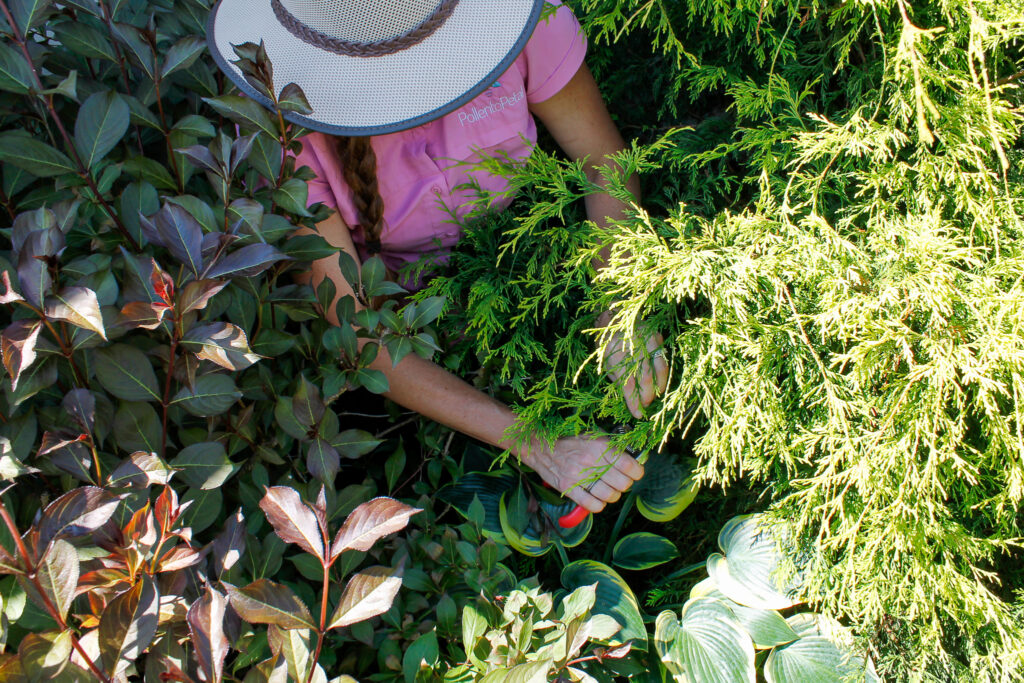
Native plants are remarkably resilient, but even they can struggle when exposed to excessive sodium. Making sure those plants receive untreated water can help protect your investment and support healthier soil for years to come.
If you’re planning a native landscape, or suspect your existing garden may be receiving softened water, Pollen to Petal can help evaluate your property and recommend practical solutions that fit your home’s plumbing and landscape.
Ready to Create a Native Landscape That Thrives?
At Pollen to Petal, we specialize in designing beautiful, sustainable landscapes using native Missouri plants that support pollinators, conserve resources and provide year-round beauty. From thoughtful plant selection to practical irrigation recommendations, we’ll help you create a landscape that’s built for long-term success.
Contact Pollen to Petal at info@pollentopetal.com or reach out to us online today to schedule a consultation and discover how a professionally designed native landscape can transform your outdoor space.