By Sa’dia Luallen-Blattert, Landscape Designer and Grow Native! Certified Professional
When most homeowners think about creating a beautiful native landscape, they focus on aesthetics.
They dream of a lush lawn filled with beautiful flowers, grasses, and shrubs. They hope to enhance their landscape and add a healthy dose of curb appeal to the property.
At Pollen to Petal, we help clients achieve their goals by adhering to our mantra:
The right plant, in the right place, at the right time.
That’s because the real foundation of every successful garden lies beneath the surface:
In the soil.
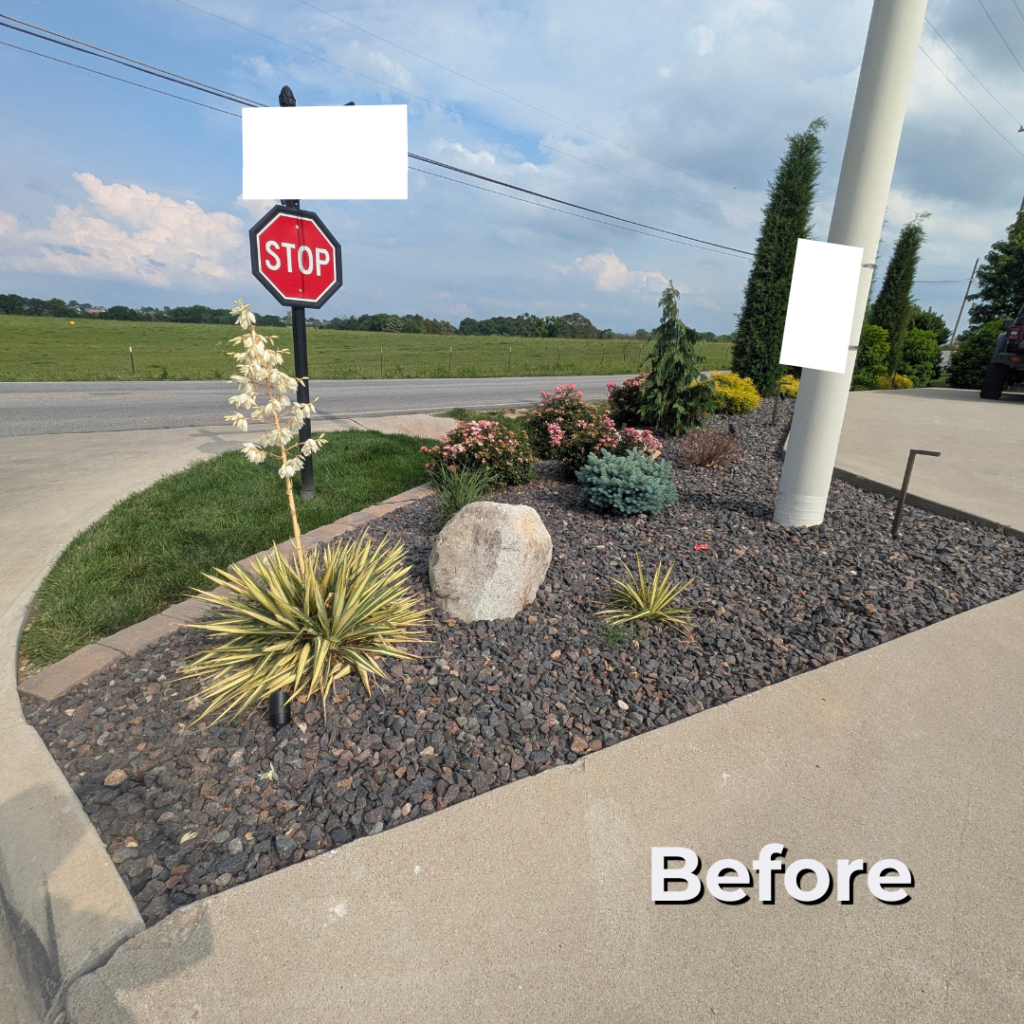
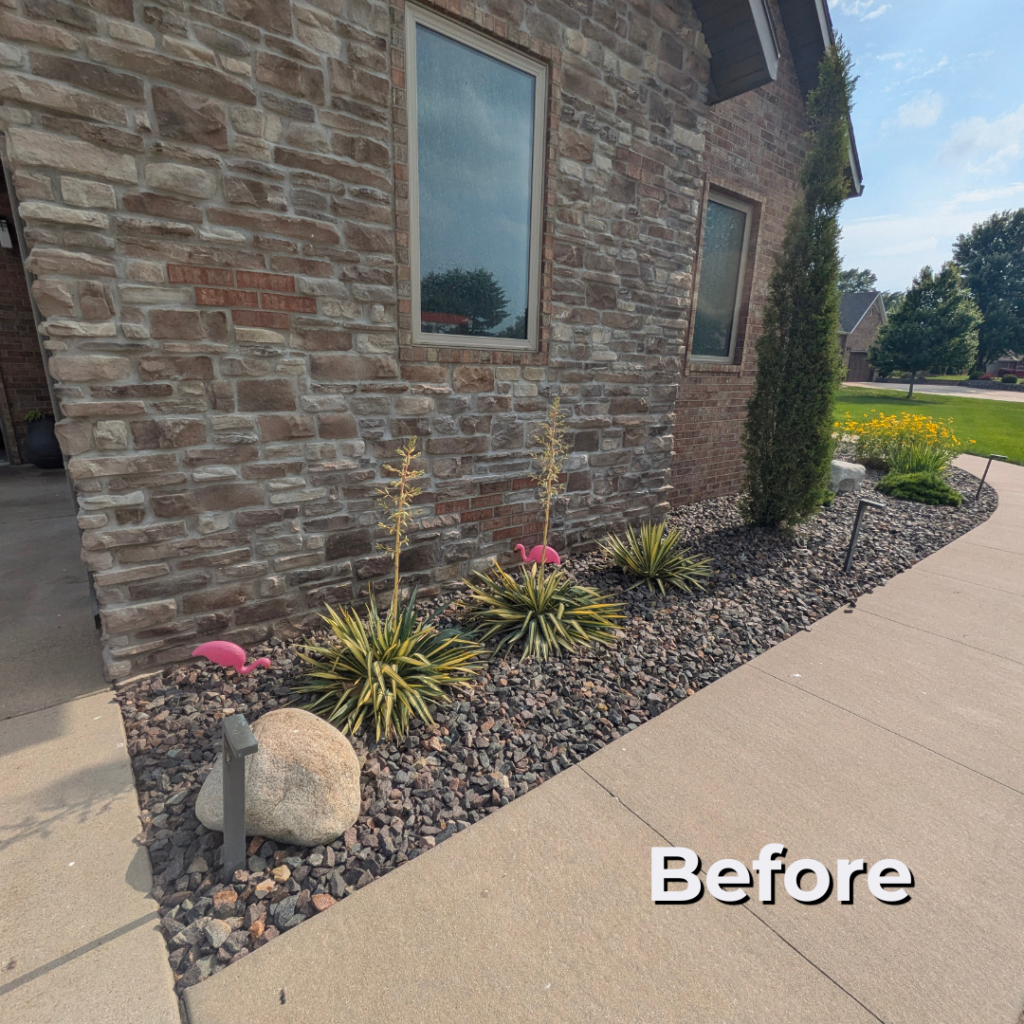
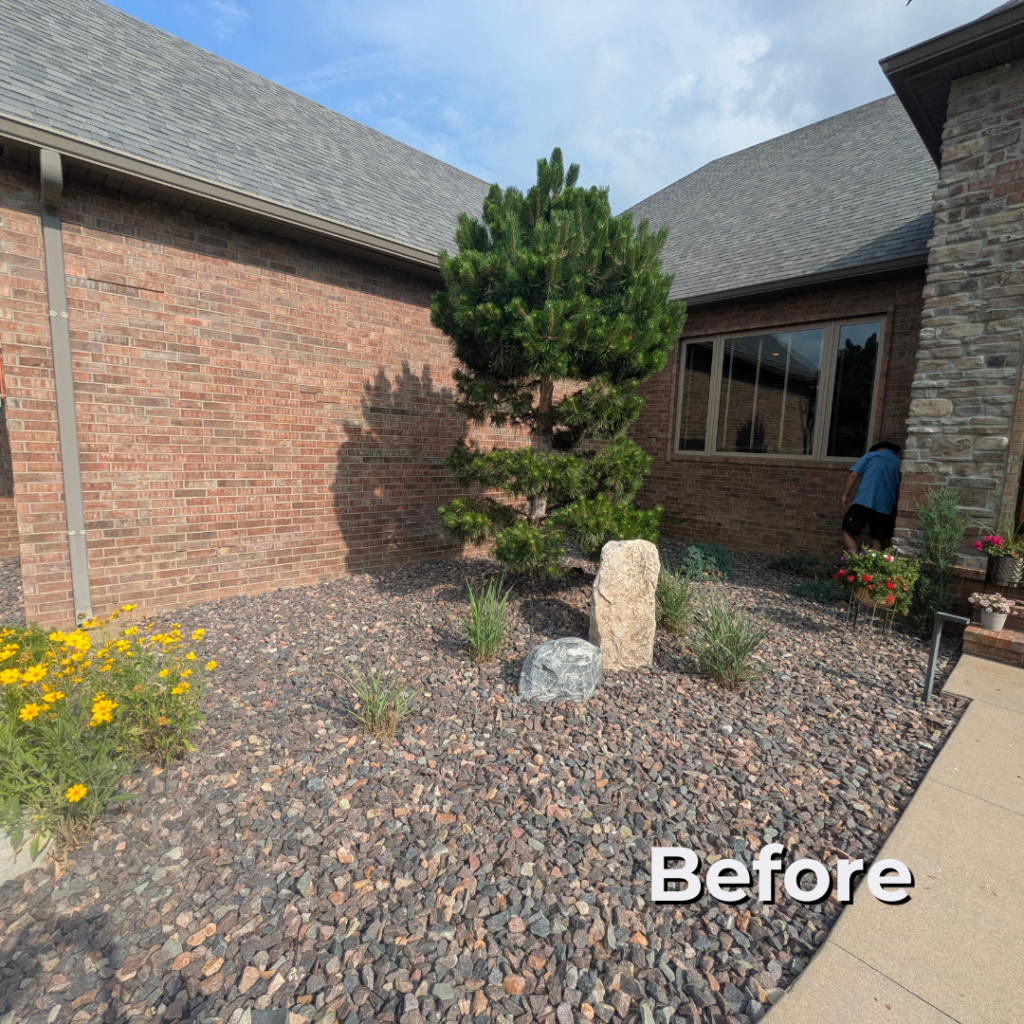
Recently, homeowners Marci and Jason Mayer of Fremont Hills, Missouri were looking to add a lot more personality, color, texture, and general interest to a landscape that was dominated by cultivars. They also wanted to cut down on maintenance and, as an added bonus, attract local pollinators to their garden.
Rather than guessing at potential solutions, Pollen to Petal began where every successful garden should:
A comprehensive soil test.
A Healthy Garden Starts with Healthy Soil
At first glance, Marci and Jason’s landscape looked like many residential yards throughout Southwest Missouri.
However, their soil consisted of construction infill, rather than healthy topsoil. This is especially common with newer homes where the original topsoil was hauled away or sold off by the contractor to avoid having to store it onsite during the construction process.
The problem?
Infill consists of almost 100% clay. That means it’s devoid of almost all organic matter and nutrients that native plants need to reach their full potential.
Without understanding exactly what was happening underground, adding fertilizer or compost becomes little more than random trial-and-error.
Instead, we let science guide the process.
Why You Should Test Your Soil Before You Plant
Think of soil testing as the “blood test” for your garden.
It gives you a baseline insight into what’s really going on beneath the surface of your lawn where things aren’t visible to the casual observer.
Planting without testing leads many homeowners to spend hundreds, or even thousands, of dollars on plants, mulch, and landscaping without knowing if the soil those plants depend upon will support healthy growth.
Soil testing takes the guesswork out of gardening, so you can plant with confidence.
A professional soil test offers many benefits:
- Identify nutrient deficiencies before plants decline.
- Reveal nutrient excesses that may actually harm plants.
- Measure soil pH and determine whether nutrients are available to plants.
- Prevent spending on unnecessary fertilizers.
- Provide soil amendments tailored specifically to your landscape.
- Increase long-term success while reducing maintenance.
How to Collect a Soil Sample for Testing
A proper soil test begins with collecting representative samples from throughout your planting area. The Missouri Department of Conservation recommends the following steps.

Step 1: Take Samples from Multiple Locations
Walking in a zigzag pattern over the selected area is a great way to get a representative sample.
Step 2: Use the Right Tools
At Pollen to Petal, we exclusively use a shovel to gather samples.
That’s because the probes and augurs typically recommended don’t work as well in the rocky soil found throughout Southwest Missouri.
For homeowners looking to gather their own samples, a simple garden space or trowel will work, using the following process:
- Push the blade into the soil at the desired depth of 4 to 6 inches.
- Cut a triangular wedge and set it aside.
- Remove a half-inch thick slice of soil from the hole you’ve created.
- Trim to a one-inch strip of soil.
- Place in a clean bucket.
Step 3: Submit your sample
Samples can be taken to a local MU extension office or professional soil testing laboratory. At Pollen to Petal, our process always begins with a detailed discussion of the client’s ideas, a survey or their property, and collecting soil samples. This ensures that all recommendations are customized specifically for each landscape.
What Your Soil Test Report Will Tell You
A soil analysis contains valuable information about what is happening beneath the surface. While the numbers may initially seem overwhelming, each measurement helps determine what soil amendments may be needed to create healthier growing conditions.

Soil pH
One of the most important measurements is soil pH, which determines the availability of nutrients to your plants. Even when nutrients are present, an improper pH hinders effective absorption.
- While the optimal pH level for most plants is between 6.0 and 7.0, many Missouri plants are adaptable between 6.0 and 8.0.
- If the pH is below 6.0, consider adding lime to reduce acidity and increase available nutrients. One big exception? Some acid-loving plants thrive in low-pH conditions. Examples include blueberries and azaleas, which love the 5.5 pH range.
- If the pH is above 7.0, the soil is considered alkaline and has low levels of phosphorus or iron. This is actually good news for native plants, which are adapted to so-called “lean” soils. In fact, native plants may actually experience poor growth if you add too much nutrient content.
Organic Matter
Organic matter is the percent of the soil that is plant or animal matter, which provides essential nutrients to growing plants. Having the right amount of organic matter in your soil improves:
- Soil structure
- Moisture retention
- Drainage
- Microbial activity
- Long-term soil health
Macronutrients
Soil tests measure plant nutrients that support healthy foliage, strong roots, and flowering.
- Nitrogen (N) is slowly released from organic matter and is essential for healthy foliage development. Nitrogen levels can be affected by a number of weather and soil variables.
- Phosphorus (P) helps plants store and transfer energy, giving them a healthy root system and bloom development.
- Potassium (K) helps plants use water effectively and is often lacking in Missouri soils.
Additional Nutrients
Soil tests also evaluate calcium and magnesium, which promote healthy soil structure and photosynthesis, respectively. These play important roles in plant structure and nutrient uptake.
Cation Exchange Capacity
Cation exchange capacity, or CEC, measures the soil’s ability to hold essential nutrients, such as calcium, magnesium, and potassium. Higher CEC soils generally retain nutrients better, while sandy soils with lower CEC often require different management strategies.
Turning Soil Test Results into a Customized Native Garden Plan
For Marci and Jason, the soil test led to a customized amendment plan. Instead of applying generic fertilizers, we improved nutrient balance, increased organic matter, and created conditions that support healthy root growth for native plants.
This targeted approach ensures that every amendment serves a specific purpose, and just as importantly, avoids unnecessary applications that could waste money or even harm the landscape.
Establishing a Thriving Native Garden and Pollinator Habitat
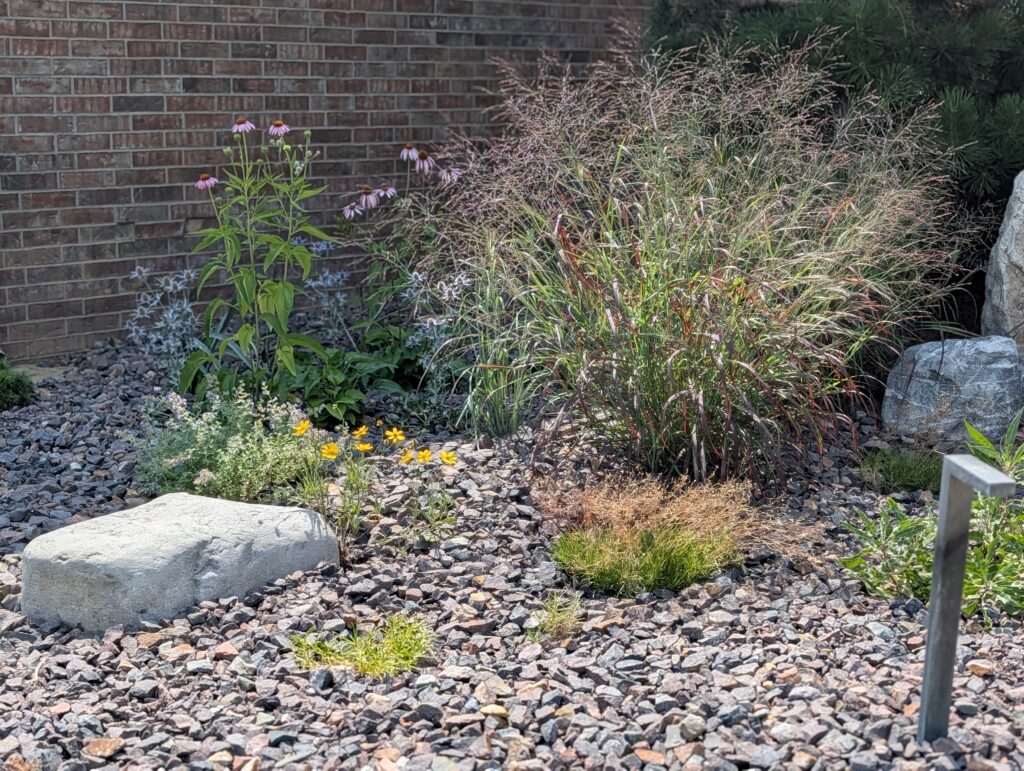
Today, the transformation is remarkable.
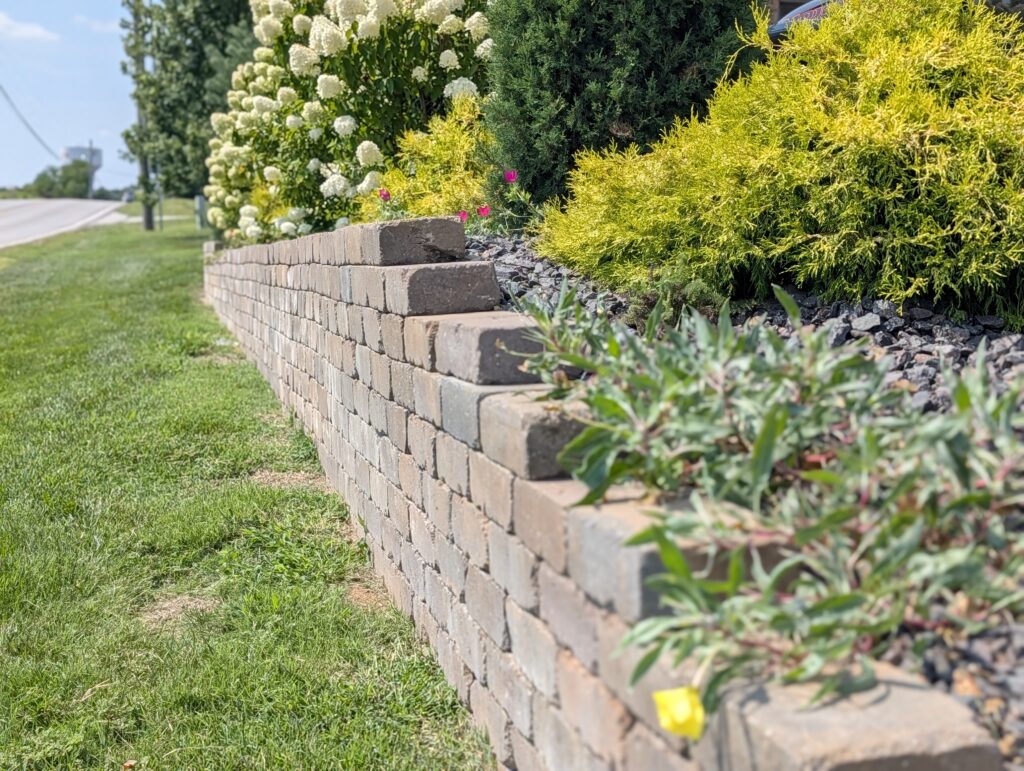


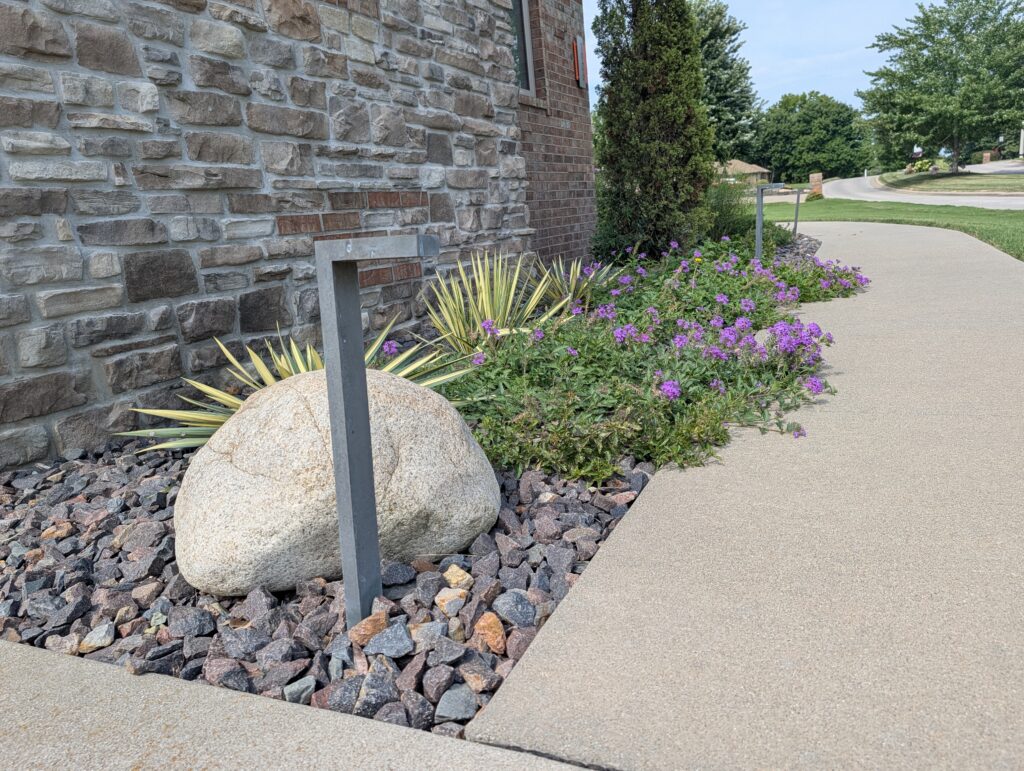
Marci and Jason now enjoy a vibrant native garden filled with healthy plants that are establishing strong root systems. As a result, they enjoy abundant blooms throughout the growing season.

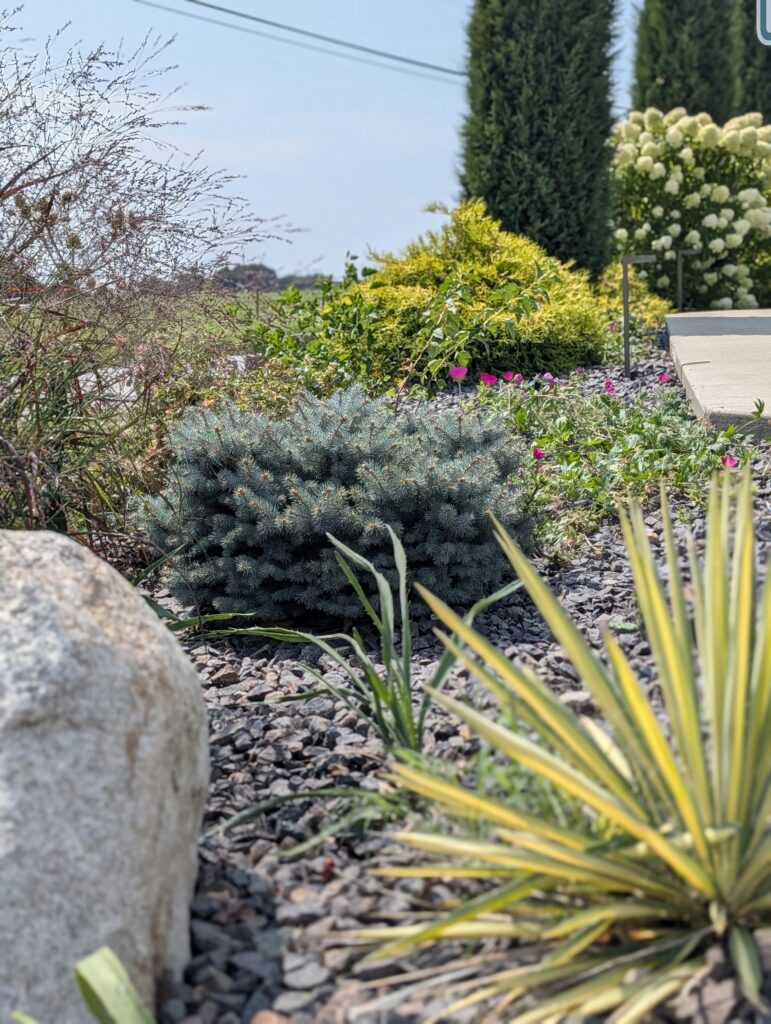
Just as importantly, pollinators have found the habitat they were looking for. Butterflies, native bees, and other beneficial insects bring the landscape to life while supporting the local ecosystem.

Give Your Native Garden the Right Foundation
Whether you’re planning a brand-new landscape, struggling with underperforming plants, or simply wondering if your soil is helping – or hurting – your garden, Pollen to Petal can help.
Our team combines science-based soil analysis with expert native plant design to create landscapes that are beautiful, resilient, and beneficial for pollinators throughout Southwest Missouri.
Contact Pollen to Petal online or email us at info@pollentopetal.com to schedule a consultation and discover how healthy soil can become the foundation for your own thriving native plant garden.