By Drew Blattert
Every September, something remarkable happens across our community.
Monarch butterflies begin one of the longest insect migrations on Earth, from Canada to a handful of mountain forests in Mexico.
And with Southwest Missouri directly in their flight path, Springfield area homeowners can provide a critical refueling stop with a monarch-friendly native plant garden.
Here’s what you need to know about the monarch butterfly, and how Pollen to Petal can help you support these beautiful insects while boosting your home’s curb appeal.
Monarch Population Trends
Monarch butterflies have been fluttering across North America for an estimated 175 million years, but their numbers have dwindled in recent decades.
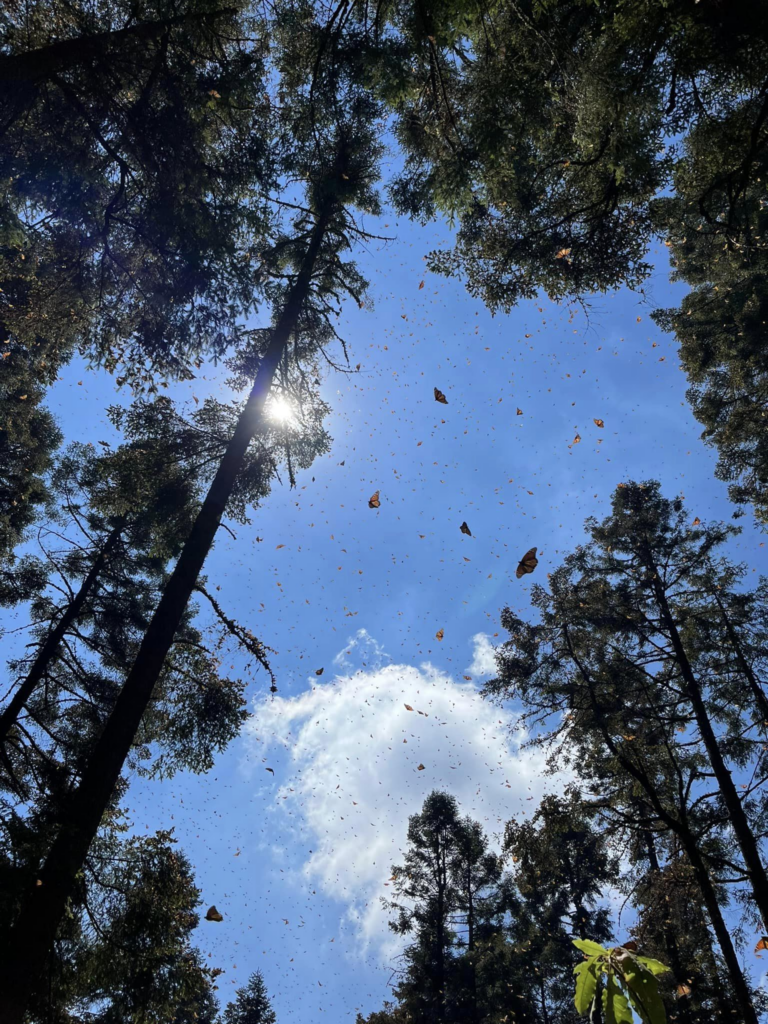
- The eastern population (the group that migrates through Missouri) peaked at just over 18 hectares of occupied forest during the 1996-97 winter.
- By the 2025-26 winter, that number had fallen to just under three hectares, an 83% decline.
- The western population, which winters along the California coast, has declined by 90-95% since the 1980s.
One bright spot? A 2026 survey found the eastern population’s forest area grew 64% year-over-year, thanks in part to reduced forest degradation at overwintering sites. However, numbers remain well below their historical baseline.

MU Field Specialist
Kelly McGowan, a field specialist in horticulture with University of Missouri Extension who has visited the monarchs’ winter habitat in Mexico, explains why the decline matters. “Monarchs support a healthy ecosystem by providing pollination to plants,” she says.
Kelly points to a number of challenges facing the butterflies:
- Loss of milkweed. Herbicides like glyphosate have eliminated much of the milkweed monarch caterpillars depend on for food.
- Habitat fragmentation. Urban development and the conversion of grassland to row crops have shrunk breeding habitat.
- Climate change. Extreme weather and shifting temperatures disrupt the environmental cues monarchs rely on to time their migration.
- Overwintering habitat loss. Illegal logging, forest fires, and drought continue to threaten the oyamel fir forests in Mexico where monarchs cluster each winter.
Because monarchs pollinate flowering plants and serve as a food source for birds and other wildlife, their presence (or absence) tells us a lot about the overall health of our ecosystem.
The Monarch Life Cycle and the Native Plants That Support It
Did you know it takes just 30 days for a monarch to develop from egg to adult?
Monarchs go through four generations each year before the final generation makes the long flight south.

- Egg: Female monarchs lay about 300 eggs each on milkweed leaves. Each egg is roughly the size of a pinhead and hatches within about four days.
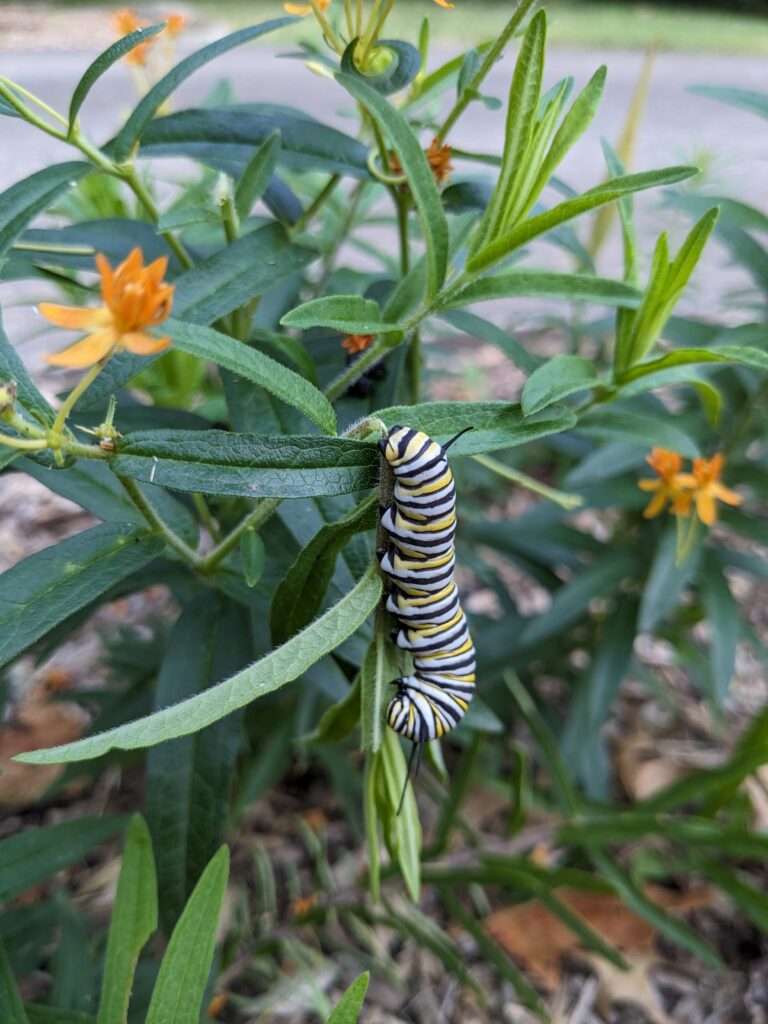
- Caterpillar (larva): Caterpillars eat almost constantly, molting through five growth stages called instars and growing up to 2,000 times their original size, relying solely on milkweed for food and shelter.
- Chrysalis (pupa): At the end of the fifth instar, the caterpillar forms a chrysalis, hanging in an upside-down “J” shape.
- Butterfly (adult): After about 10 days, an adult monarch emerges and dries its wings. Depending on the generation, it either mates and lays the next round of eggs or, for the final generation of the year, migrates to Mexico, where it lives for six to eight months.
Milkweed: The Plant Monarch Caterpillars Can’t Live Without
Sa’dia Luallen-Blattert, landscape designer and Grow Native! Certified Professional at Pollen to Petal, explains why milkweed is non-negotiable for monarch gardens.
“Monarch caterpillars are obligate specialists. That means that they can only feed on one type of plant!”
The Asclepias genus, or milkweeds, are their only host plant. Without these plants, reproduction is difficult to impossible. Native milkweed species well-suited to Springfield include:
- Butterfly milkweed (Asclepias tuberosa): Drought-tolerant with bright orange blooms, it thrives in full sun and rocky Ozark soils.
- Marsh (swamp) milkweed (Asclepias incarnata): Great for wet areas and rain gardens, with fragrant pink-purple blooms.
- Whorled milkweed (Asclepias verticillata): Shorter and delicate, with white flowers that spread nicely.
- Purple milkweed (Asclepias purpurascens) and spider milkweed (Asclepias viridis): additional Missouri natives recommended by the Missouri Department of Conservation.
While common milkweed (Asclepias syriaca) does well on larger, rural properties, Sa’dia cautions that it isn’t ideal for typical residential beds, “as it will absolutely take over! Common milkweed is not a good choice for the residential landscape because it colonizes an area.”
Another variety to avoid?
Tropical milkweed.
Commonly sold at big-box stores, it is not native to Missouri and is considered invasive.
Nectar Plants for Spring, Summer and Fall
While milkweed feeds monarch caterpillars, adults consume nectar-rich blooms to fuel breeding and migration. Stagger bloom times so something is always flowering.
Monarch-friendly spring bloomers include:
- Golden Alexanders (Zizia aurea)
- Wild blue phlox (Phlox divaricata)
- Wild indigo (Baptisia spp.)
- Foxglove beardtongue (Penstemon digitalis)
- Blue star (Amsonia spp.)
- Ragwort (Packera spp.)
For the fall migration, welcome hungry monarchs with:
- Eastern blazing star (Liatris scariosa)
- Native asters (Symphyotrichum spp.)
- Native goldenrod (Solidago spp.)
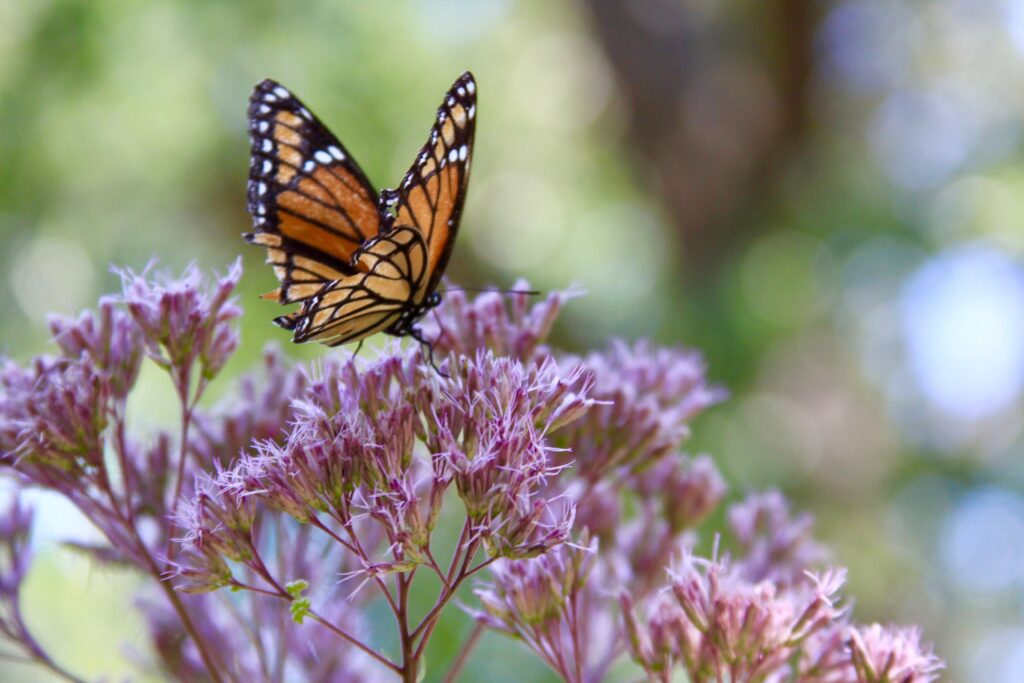
- Joe Pye weed (Eutrochium spp.)
Monarchs typically pass through Springfield from early September through early October, peaking between September 10 and October 10. A well-timed fall garden of asters, goldenrod, and blazing star gives them the fuel they need for their journey.
Designing a Native Monarch Garden
A monarch-friendly native garden, with a well-planned mix of perennials and annuals, adds vibrant beauty to your property.
Planning Your Space
Monarch Watch recommends at least 100 square feet of garden space that gets at least six hours of sun a day.
It should include at least 10 milkweed plants from two or more species, plus a variety of nectar plants that bloom sequentially from spring through fall. Plant milkweed and nectar plants relatively close together (without crowding) to give butterflies and other pollinators shelter from predators and weather.
Don’t forget water! Butterflies and bees can’t swim, so a shallow dish of water with a few stones, or a birdbath with landing spots, keeps them hydrated.
Getting Started: Soil and Planting Tips
Sa’dia recommends the following steps for starting your monarch garden:
- Get a soil test before adding plants or amendments so you know your yard’s exact needs.
- Choose native species from a trusted regional native nursery. Avoid cultivars or “nativars,” which provide less reliable nectar. Reputable sources include Watershed Natives, Ozark Soul Native Plants, and Missouri Wildflower Nursery.
- Sow native plant seeds in the fall to allow the cold, moist stratification needed for germination.
- Avoid plants treated with systemic pesticides, including neonicotinoids, which can harm monarch butterflies.
Keeping Your Garden Healthy Long-Term
Monarch gardens require a different kind of maintenance than a typical ornamental bed.
“Raise your tolerances,” Sa’dia says.
“A successful monarch-friendly garden includes milkweeds that are going to be eaten by monarch caterpillars. Toss out the idea of perfect leaves and embrace the beauty of the caterpillar chomp!”
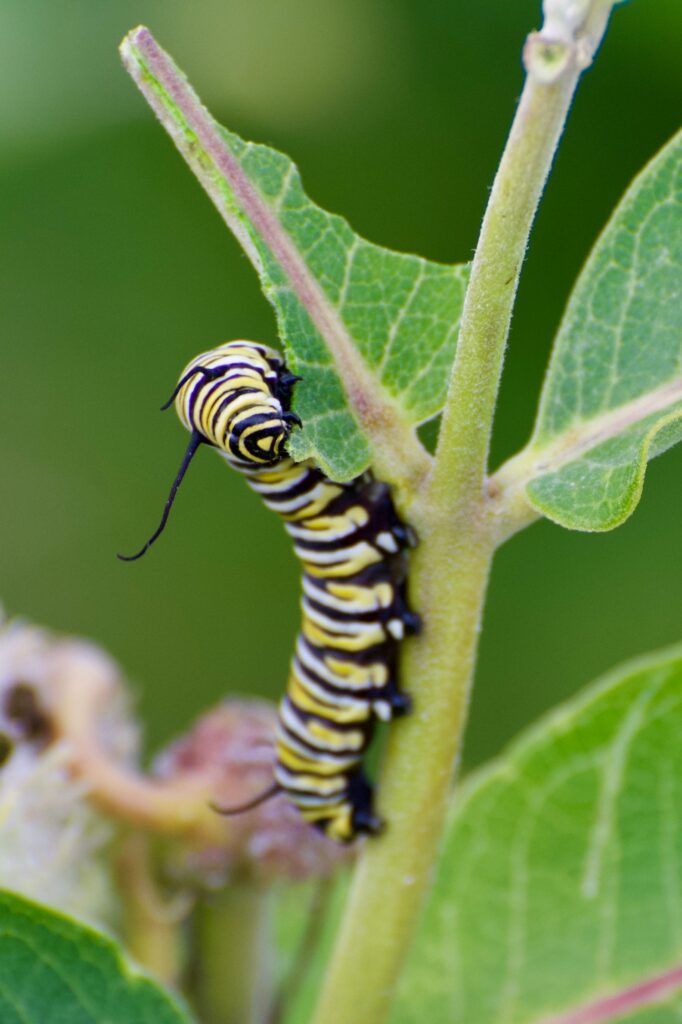
More caterpillars also mean more birds stopping by to feed, which is a natural and expected part of a thriving garden ecosystem.
You must also avoid overfertilizing.
“Missouri native plants have evolved to thrive in lean soils,” Sa’dia says. “Fertilizing a monarch-friendly garden often results in fertilizer runoff that will adversely affect water sources.”
McGowan’s advice echoes these same fundamentals:
Plant milkweed, build pollinator gardens with early- and late-season blooms, reduce pesticides, and support conservation efforts protecting overwintering habitat in Mexico.
Become a Certified Monarch Waystation
Homeowners can also register their garden as an official Monarch Waystation through Monarch Watch, earning a certificate and a spot in the worldwide Waystation registry. Pollen to Petal installs certified monarch waystations for clients who want their garden to officially count toward monarch conservation.
Build Your Monarch Garden with Pollen to Petal
A garden that supports monarchs is also a beautiful addition to your property, filled with layered blooms, seasonal color, and a living landscape that changes with the year. But getting the right plant mix, placement, and care takes some know-how, especially for a design that looks intentional and well-designed.
That’s where Pollen to Petal comes in. We specialize in native landscapes that support pollinators and enhance your lawn.
Whether you’re starting from scratch or updating an existing bed, we can help you design, install, and maintain a garden that gives monarchs what they need this migration season and beyond.
Ready to turn your yard into a monarch waystation? Contact Pollen to Petal today to schedule a consultation with our native landscape design team.